
Blog

  • The Differences Between Drains, Glue, and Surgical Nets for Facelift Recovery

    The Differences Between Drains, Glue, and Surgical Nets for Facelift Recovery

    Image may contain Bra Clothing Lingerie Underwear Head Person Face Photography Portrait Adult and SwimwearPhoto: Huy LuongSave StorySave this storySave StorySave this story

    Some plastic surgeons refer to the earliest phase of facelift recovery as the "alien" stage—and for good reason: Patients tend to look tight, pulled, lumpy, and distorted for days after surgery. Enhancing the extraterrestrial vibe are the two clear, plastic tubes (called drains) sprouting from their heads, through which all manner of blood and ooze exit the face, dripping into suction bulbs that dangle below their ears, storing the gunk. Surgeons typically stitch the open end of the tubes under the skin behind the ears, leaving them in place for up to five days. Need a visual? Behold: Designer Marc Jacobs, drains and all, following his 2021 facelift.

    Drains serve an important purpose, clearing the tissues of fluids that could otherwise pool under the skin forming seromas and hematomas (collections of clear fluid and blood, respectively), which can threaten results, delay healing, and prolong recovery. “When we’re doing facelift surgery, or any type of surgery where we’re separating the skin from the deeper tissues, we’re creating what we call a ‘dead space’ that has the potential to collect these fluids,” says T. Gerald O’Daniel, MD, a board-certified plastic surgeon in Louisville, Kentucky. By actively evacuating fluids for several days post-op, drains collapse the space, encouraging any skin that was uprooted during surgery (“skin flaps” in surgeon-speak) to stick back down to the underlying muscle and lay smoothly and evenly, as it should.

    In facelift surgery, a hematoma, which usually presents as a painful, bulging purple bruise, is “the most feared complication—the most consequential,” says L. Mike Nayak, MD, a double board-certified facial plastic surgeon in St. Louis, Missouri. It is, in fact, a surgical emergency that can require a return trip to the operating room. “If you get this call in the middle of the night, you don’t sleep on it, because it can be a life-or-death moment,” he notes. In the neck, a large or expanding hematoma can obstruct the airway if it’s not caught early and managed urgently. These kinds of catastrophic hematomas are rare, Dr. Nayak says, “but even minor hematomas create their own misery by dramatically slowing the healing process and making bruising and firmness linger a lot longer.” They can also lead to post-op infections, skin damage, and lumps and bumps. Hematomas occur more frequently in men (due, in part, to the more robust blood supply in their facial skin); other common risk factors include high blood pressure and post-op nausea and vomiting.

    A seroma is an area of "soft and smooth swelling," explains Jonathan Cabin, MD, a double board-certified facial plastic surgeon in Washington, D.C. “If you push on it, it feels fluctuant not tense, shifting a bit with compression. But the skin tends to look normal and the sensation is one of mild pressure or heaviness at worst, but usually not frank pain." While less of a 911 scenario than hematomas, seromas are still a “major nuisance,” according to Dr. Nayak, “because they can make the skin drape incorrectly, causing it to wrinkle for many months over the area where the seroma accumulated.” Seromas can also become infectious if the fluid sits for too long, notes Dr. Cabin.

    Aiming to prevent such complications, plastic surgeons have long relied on drains, but they’re not without drawbacks. “Patients don’t like drains, because they look weird and scary sticking out of the skin, and they can get caught on things, pull and pinch the skin—they’re just uncomfortable,” Dr. O’Daniel says. (This fact alone makes “drainless” a huge selling point in plastic surgery.) Drains also require tending-to—“stripping” to prevent clogs (pinching and sliding your fingers down the length of the tubes) as well as emptying the bulbs and measuring the output—and have the potential to introduce infection, malfunction, and leave scars and track marks on the skin. What’s more, their removal can be anxiety-provoking: “Patients are always very nervous that it’s going to hurt, but it doesn’t—it’s just a weird sensation,” says Lindsey Pennington, MD, a double board-certified facial plastic surgeon in Shreveport, Louisiana. (She generally removes drains after three to five days, with an accompanying shot of lidocaine, which allows her to painlessly close the wound with a single stitch.) Perhaps the biggest shortcoming of drains is that while they can stop seromas, “they will not save you from hematomas,” says Dr. Nayak. “The blood is just going to start coming out the drains as the face and neck fill up.”

    Knowing that they can’t fully prevent hematomas and that they make the recovery process that much more arduous, ditching drains seems like a no-brainer—so why the controversy? Surgeons are creatures of habit, for one. Many learned to use drains as interns in residency and still consider them to be the standard of care. “When you ask them, ‘Why are you using a drain?’ They’ll tell you, ‘That’s the way I was taught,’” explains Sam Rizk, MD, a double board-certified facial plastic surgeon in New York City. It’s a comfort-zone thing—every advance comes with a learning curve—but also: If a surgeon has a low complication rate and attributes it, at least in part, to drains, well, then, if it ain’t broke and all that.
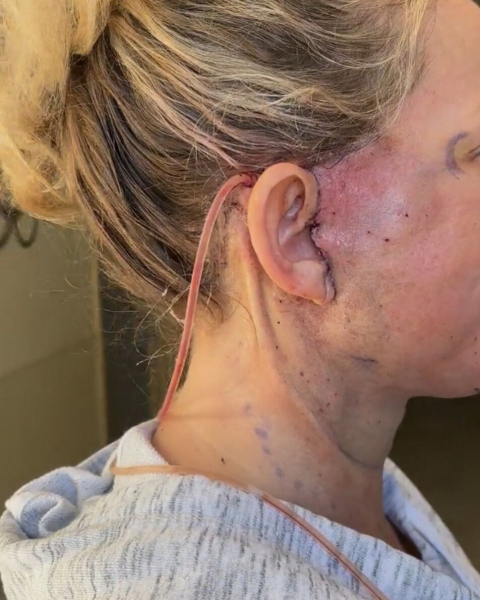
    Image may contain Adult Person Skin Body Part Face Head and Neck

    A closer look at a traditional drain.

    Courtesy of Dr. L. Mike Nayak

    There’s also a fair amount of debate over the safety and efficacy of popular drain alternatives, like fibrin-based tissue glue (an adhesive made from human plasma) and the surgical net (aka hemostatic net), a wild-looking web of temporary sutures that’s stitched through the surface of the skin to quilt together the layers of tissue that were separated during surgery, thereby closing the dead space under the skin to control bleeding and minimize fluid buildup. In addition to thwarting complications, glues and netting can also abate bruising and swelling after facelift surgery, curtailing patients’ recovery. Nevertheless, some surgeons question if these tools truly work as well as drains while others posit that they may cause issues of their own.

    The decision to go drainless

    With more facelift surgeons educating their followers on drain alternatives, tuned-in patients have begun broaching the topic with their own doctors, says Dr. Pennington. “I have tons of people who DM me on social media or ask during consultation: ‘Do you use drains? Do you use the net?’” And every surgeon has their own take, informed by personal experience and published evidence. No single answer is necessarily right or wrong, Dr. Pennington adds, as each doctor will rely on “whatever yields the best, most consistent results in their hands.”

    The type of facelift a surgeon performs—more specifically, the amount of skin that’s lifted off the muscle in each case—may also influence their stance on drains. There are two main categories of facelifts—deep plane and SMAS (an acronym for superficial musculoaponeurotic system)—and various iterations of each. While facelift surgeons quibble over semantics and what truly distinguishes one method from another, ultimately, all modern facelifts adjust the SMAS (muscle layer) in some way. But first, in order to access the SMAS, surgeons have to peel back the overlying skin. How much skin? is the million-dollar question. With some techniques, they’re lifting only a centimeter or two; with others, the separation of skin from muscle is extensive, resulting in larger skin flaps. “The more skin that’s elevated, the greater the risk for hematoma and seroma—and that’s true when using drains, tissue glue, and the surgical net, no matter what,” says Dr. O’Daniel.

    The risk increases with the amount of skin that’s lifted, because that leaves a broader area vulnerable to fluid accumulation. During our interview, Dr. Nayak referred to the subcutaneous space directly under the skin as “the trouble layer,” since it’s most prone to bleeding and oozing. (Seromas and hematomas occur less frequently in the deep plane.) “But if you can minimize the amount of surface area at risk,” he says, “that changes the equation.” While Dr. Nayak is famous for his deep plane technique, earlier in his career, he performed a type of SMAS facelift that involved sizable skin flaps. During his SMAS era, he relied on drains, finding them “incomparable” in terms of preventing seromas on large skin flaps. As Dr. Nayak’s technique evolved, his skin flaps shrunk and he abandoned drains in favor of tissue glue and the surgical net. “You don't need a drain for small flaps; you can get away with glue or netting,” he says. But with bigger flaps, “the only thing I’d trust is suction drains to prevent seromas.”

    Today, Dr. Nayak specializes in what’s commonly called a preservation-style deep plane face and neck lift, a modification to the extended deep plane, which Allure reported on in 2024. By keeping more skin connected to the deeper tissues—and yielding smaller skin flaps in the face and neck—the technique aims to minimize space for fluid to settle, lessening not only post-op complications, but also bruising, swelling, and trauma to the skin. (Quick caveat: While Dr. Nayak’s facelifts are drainless, he still uses drains for brow lifts. “I use a drain overnight for brow lifts, because the bruising is dramatically different if we pull away the little bits of bloody fluid in that first evening,” he says. “If you have just 12 hours of drain presence, almost nobody bruises.” Without the drain, however, brow lift patients “get a much higher rate and much greater amount of denser, darker, bluer, bigger raccoon eyes,” he says.)

    Other surgeons shared similar stories of retiring drains in favor of glues and nets after adopting preservation facelift principles. “I used to use drains on every single facelift patient, and now I use them rarely,” says Dr. Pennington. Dr. Cabin quit using drains a year or two ago when he started routinely performing preservation facelifts. He now uses glue along with the net in every face and neck lift he performs and says “most of my patients prefer that to a drain.”

    If you’re having a facelift and hoping to avoid drains, what can you expect from the alternatives? Let’s take a closer look at the options—fibrin glue and the surgical net.

    What is tissue glue?

    We’re not talking Elmers or Duo. The go-to glue in facelifting contains two components of human blood, fibrinogen and thrombin, which are “the proteins that make your blood sticky,” says Dr. Nayak. (It’s called “Artiss fibrin sealant,” made by Baxter, a manufacturer of surgical products.) When combined during application, “the thrombin enzyme [converts] the fibrinogen into fibrin, which is part of the clotting cascade, and that’s what sticks the flap down and seals it.” The glue slowly hardens, giving surgeons time to position the flap. “You hold pressure for about three minutes to let it settle, and then the skin edges are nicely lined up for suturing,” Dr. Cabin says. “So, the glue also offers a sort of assistant effect, making the closure a bit smoother.”

    While tissue glue is currently enjoying its 15 minutes of fame, it’s not new to medicine or plastic surgery. Dr. Rizk first used it over 20 years ago when working as a head and neck surgeon at Memorial Sloan Kettering Cancer Center. “We used glues in graft surgery after taking out cancers,” he tells me. In 2008, Dr. Rizk published a review of 605 drainless facelifts, comparing the incidence of hematomas in patients with and without glue. He found the glue group had a significantly lower rate (.4% versus 3.4% with no glue). Other studies support Dr. Rizk’s findings. An earlier trial comparing drains to glue found fewer hematomas and “significantly less bruising and swelling” in patients who got glue. A 2015 meta-analysis looked at seven controlled trials and found that when fibrin glue was used in facelifts, “hematoma formation was four times less likely.” The authors did not see a significant reduction in seromas, however.
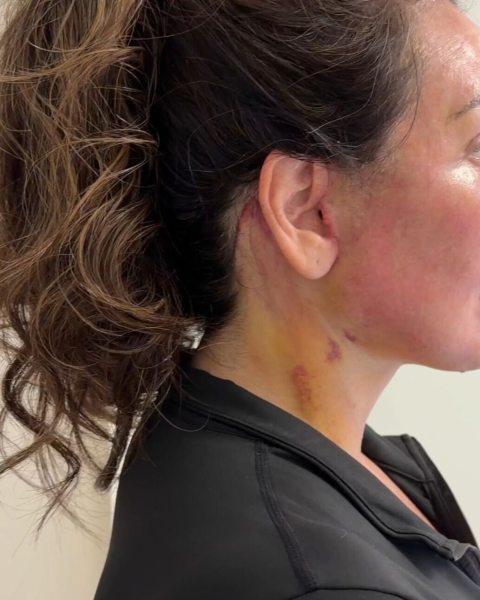
    Image may contain Body Part Face Head Neck Person Adult and Skin

    Dr. Nayak used tissue glue on this facelift patient.

    Courtesy of Dr. L. Mike Nayak

    In practice, proponents of fibrin glue credit the sticky stuff for their low hematoma rates. “I generally have an average of about one to two percent,” says Dr. Rizk. In the medical literature, reported incidence rates range from 0.6% to 14.2%. In Dr. Rizk’s experience, the glue also helps with seromas. Dr. O’Daniel says that in his 20 years of using tissue glue, his hematoma rate held relatively steady at 1.3% to 1.6%. Glue doesn’t eliminate the risk, he notes, but it can diminish it. “It also reduces bruising to an extent,” he says, by sealing the small blood vessels under the skin. Dr. Nayak calls glue “a useful star in the constellation of steps we take to minimize bruising,” adding that it has “a minimal direct effect on swelling,” as well. Likewise, Dr. Cabin believes that glue can improve recovery, but says in his cases, small skin flaps, glue, and the hemostatic net all contribute to better healing, so it’s hard to say which element holds the greatest sway.

    On its website, Artiss lists the risks of fibrin glue, among them the possibility of hypersensitivity reactions, including anaphylaxis, and potentially “ transmitting infectious agents,” given that Artiss is made from human plasma procured from donors. Like all FDA-approved biological materials (those sourced from humans, animals, or microorganisms), Artiss is purified and tested to ensure safety and sterility.

    Nevertheless, the fact that glue is human-derived “is something that certain patients may find unappealing,” notes Dr. Pennington. Surgeons also point to the price as a potential con. While glue can add up to $1,000 to the procedure, the upcharge seems rather inconsequential given that facelifts can cost between $30,000 and $300,000. Another reservation some shared: If there were a post-op issue that required reoperation, could the glue make it harder to raise the flap, presenting a sticky mess at a critical time? Glue advocates say they haven’t encountered such problems. Besides, notes Dr. Rizk, “after about a week, the glue is gone—the body absorbs it.”

    What is the surgical net?

    Dr. Pennington recalls the first time she saw the surgical net, its “jarring” image projected onto a vast screen in a lecture hall during a medical meeting. “It looked very Frankenstein-esque,” she says, and seemed to subvert the core tenets of undetectable facial plastic surgery. But the net proved its worth the first time she used it on a male facelift patient who was “super oozy” during surgery. “It worked so much better than a pressure dressing and a drain, which is what we’d been taught [to use] in training,” she says. (A pressure dressing is a snug cotton-gauze wrap worn immediately after surgery.)

    The surgical net is formally named the “Auersvald hemostatic net”—hemostatic meaning blood-stopping—after Drs. André and Luiz Auersvald, the plastic surgeons who pioneered the net as a means of curbing their 14% hematoma rate. In a 2014 study, the brothers demonstrated the technique to be a safe and efficient tool for preventing early hematomas after facelifts. According to the seminal paper, the net slashed their hematoma rate to zero.

    As a general rule, doctors apply the net only in areas where the skin has been lifted, placing the nonabsorbable sutures about a centimeter apart, and leaving them in place for 48 to 72 hours. It’s worth noting that unlike drains and glue, which can help prevent bruising, the net can sometimes contribute to black-and-blues, Dr. Nayak says, “because we're passing a needle through the skin over and over and over again, and it can bruise while we're doing it.”
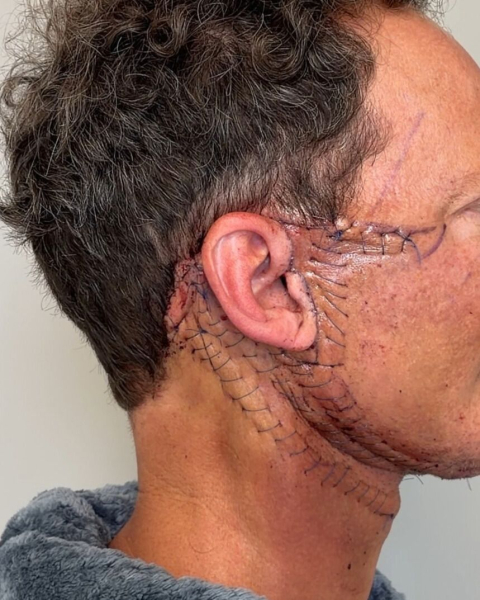
    Image may contain Body Part Face Head Neck Person Adult and Skin

    The surgical net, as seen on one of Dr. Nayak’s patients.

    Courtesy of Dr. L. Mike Nayak

    The net works by “holding the trouble layer tightly shut,” says Dr. Nayak. Its strategically placed sutures divide the tissue into discrete compartments. “If bleeding starts anywhere, it has a hard time propagating and blowing up the whole area, because it can’t pass beyond the little weld points that the hemostatic net sutures create,” he explains. Should a vessel spring a leak, the blood will fill one small segment of the face, exerting pressure until the bleeding stops. “There’s nothing better than the net for bleeding—nothing comes close,” says Dr. Nayak. While “it also does an okay job of preventing seroma,” he still adds glue for good measure.

    Dr. O’Daniel started using the net in 2017, initially in conjunction with glue, before transitioning to the net alone a year or so later. “My hematoma rate has gone to zero with the surgical net,” he says. In addition to guarding against complications, the net “speeds recovery for a lot of different reasons,” he explains—a key one being that it “eliminates not only seromas and hematomas, but also the micro fluid collections which cause edema [swelling] and delayed healing.” This is something he observed in a lab-based study using an animal model. His study—which will be released later this year—also showed increased collagen with the net (versus no-net control), suggesting “a faster recovery and normalization of the skin and deeper tissues.”

    While the net is widely accepted internationally, says Dr. O’Daniel, it’s only now gaining traction in the United States. “I’m in a group chat with 170 plastic surgeons from around the world—a Who’s Who of thought leaders in facelift surgery—and about 80% of them use the surgical net [routinely] and 100% use it in certain circumstances,” he says. Dr. Nayak, for example, uses the net in patients who are at high risk for developing hematomas—namely, all of his male patients as well as women who bleed excessively during surgery. (Interestingly, a systematic review and meta-analysis from 2025 looked at hematoma rates in more than 8,000 deep plane facelift patients who used tissue glue, a hemostatic net, or another preventative measure, tranexamic acid, and saw similar rates with all three, concluding there is “no clearly superior adjunct.”)

    Despite the net’s gruesome appearance, surgeons say that patients are generally fine with it when briefed in advance on the benefits. “I’ve not had a single person freak out,” Dr. Nayak tells me. Dr. O’Daniel says that his repeat facelift patients, who had drains with their first surgery and the net for round two, find the net far more tolerable. Because the face is numb for a time following surgery, patients don’t feel the sutures in their skin, even as they’re being removed.

    Still, some surgeons are skeptical. “I’ve never used the hemostatic net,” says Dr. Rizk. “I don’t like the way it looks and it doesn’t make sense to me. I mean, the skin literally looks strangulated.” Champions of the net argue that its safety has been proven in multiple studies showing that it does not restrict blood flow to the skin or promote tissue death.
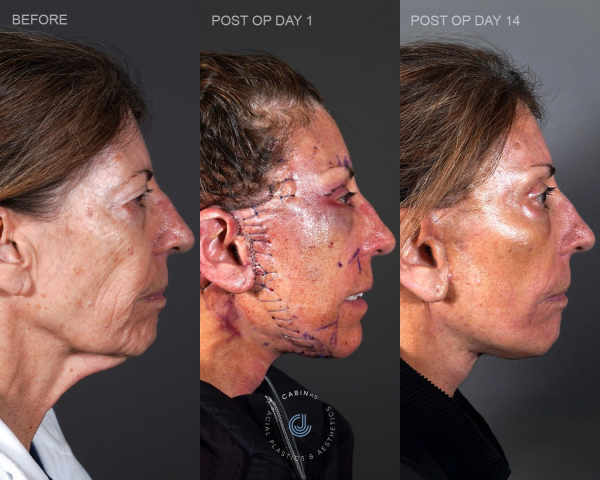
    Image may contain Celia Snchez Head Person Face Adult Photography Portrait Body Part and Neck

    A patient of Dr. Cabin’s before surgery, during recovery using the surgical net method, and two weeks later.

    Courtesy of Dr. Jonathan Cabin

    Perhaps the biggest concern voiced by patients and doctors is potential scarring from the net, because, well, look at it. It seems almost impossible for such large, looping stitches not to leave a mark. But surgeons say the net doesn’t cause scars or permanent discoloration. In most cases, “people will have little dots or faint lines on their face when we take the stitches out, but a few days later, the skin looks totally normal, like nothing ever happened,” says Dr. Cabin.

    On melanated skin (which tends to produce pigment in response to injury and inflammation), marks can take longer to fade, so some surgeons avoid the net in darker-skinned patients. Dr. O’Daniel, who uses the net in all skin types, says that his hyperpigmentation rate is 1.5% to 2% and that any discoloration is temporary. When treated with bleaching creams and lasers, it tends to resolve within three months. A 2025 study looking at net outcomes in Asian patients reported “no persistent hyperpigmentation from the hemostatic net,” noting that 90% of marks subsided within one month. Caucasians with severe sun damage will occasionally develop small white spots where the needle passes through the skin, Dr. O’Daniel adds, but those can be addressed by treating the surrounding sun damage to even things out.

    Ultimately, when considering the net, “we're balancing risks,” says Dr. Nayak. “Do we want a potentially life-threatening hematoma or do we want to take the chance that there might be a couple of dots [on the skin] for a few weeks? It's a no-brainer.”

    The bottom line? Both tissue glue and the surgical net, used separately or in tandem, can minimize the risk of facelift complications and obviate the need for drains, especially when paired with proven measures to control blood pressure and nausea after surgery. (Drains are still warranted in facelifts with larger skin flaps, however, so you’ll want to talk to your doctor about their surgical approach.) As for how glues and netting affect the healing process? Surgeons’ accounts vary, but all agree that anything that cuts down on complications will make for a swifter, smoother recovery.

  • 10 Trailblazers Share Their “Power Scents”

    10 Trailblazers Share Their “Power Scents”

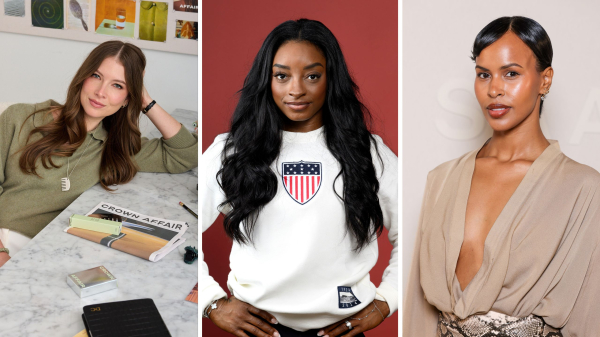
    Dianna Cohen  Simone Biles  Sabrina ElbaJulian Cousins, Getty ImagesSave StorySave this storySave StorySave this story

    Fragrance can act as a power suit when stakes feel high. Like the perfectly tailored ensemble, the right scent can shift your posture, steady your breathing, and help you summon the poise you need to face any situation. If you think this comparison sounds flimsy, consider this: A study cited a survey that found 65% of its participants felt confident when wearing fragrance. Additional research into the mind-smell connection found that scent-wearers fidgeted less.

    Your individual power scent is deeply personal. For some, it's a razor-sharp citrus that helps hone their skills during a presentation, while others take an understated approach with a woody musk that feels like a comforting embrace. No single note can define this kind of emotional armor, but we asked 10 masters of their craft which fragrances they reach for when they want to feel (and smell) unstoppable.

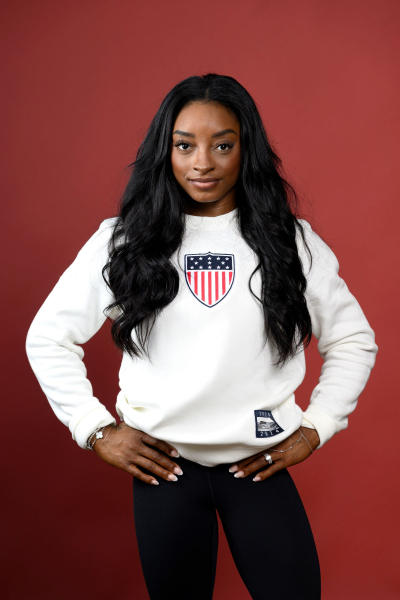
    Simone Biles, Olympic gymnast

    Headshot of Simone BilesGetty Images

    Simone Biles is best known for medaling 30 times at the Olympics (23 of those medals are gold, by the way). Despite her stoic appearance on the mat, the Ohio native still feels the pressure of competing. Spritzing on perfume is one way she grounds herself. “It helps me feel calm, present, and confident,” she says.

    Biles adds that she’s gone through “an insane number of bottles” of Burberry Goddess Eau de Parfum, a warm and spicy gourmand featuring three kinds of vanilla. “It makes me feel powerful, unique, and beautiful,” she says, noting that whenever she wears it, “good things happen.”

    Vote for Your Favorite Makeup Products

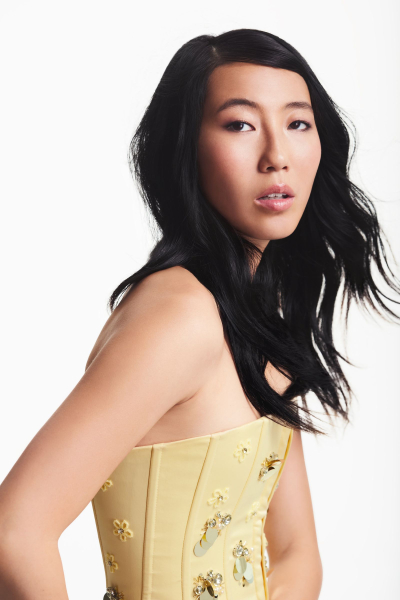
    Shirley Chen, actor

    Shirley ChenTy Chen

    Shirley Chen doesn’t wear perfume every day, but when she does, it’s for an extra boost of energy. The actor, who stars in Netflix’s upcoming series The Body, says Boy Smells LES adds excitement to her day: “It makes me feel fun, flirty, and light, like I have a cheeky little secret up my sleeve.”

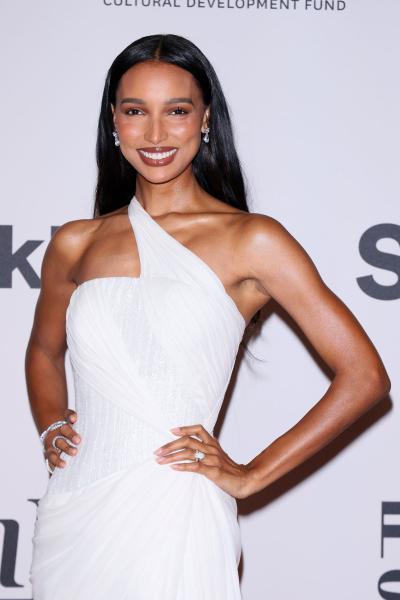
    Jasmine Tookes, model and co-founder of Brunel

    Jasmine Tookes wearing a white dress.Getty Images

    Jasmine Tookes reaches for a very specific scent combo on days when she wants to have a more commanding presence, whether she’s walking down a runway or heading out for a fun night with friends. After showering, she slathers her skin in her body-care brand’s Renewal Oil, which smells like lavender; she then layers Byredo Bal d’Afrique Eau de Parfum, a rich, woody-floral, on top. Says Tookes, “It’s the sexiest combo.”

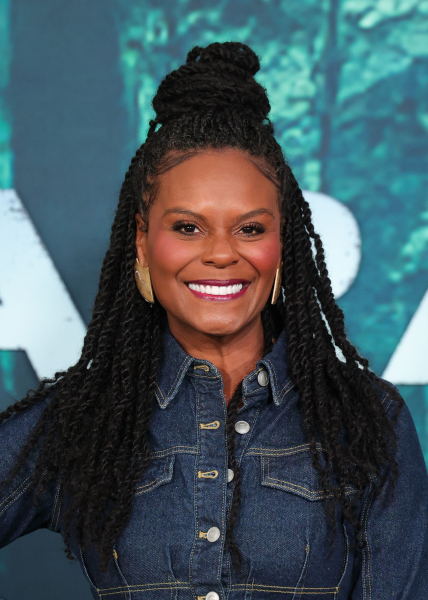
    Tabitha Brown, actor, author, and founder of Donna’s Recipe

    Tabitha BrownGetty Images

    Tabitha Brown is the internet’s favorite auntie and jack of all trades: vegan chef, author, actor, hair-care and fragrance brand founder, and an Allure Best of Beauty Award winner (thanks to her decadent Sweet Potato Pie Hair Cream). Brown says that smelling like her husband makes her feel most confident as she takes on her many endeavors. She sprays on her brand’s suede-and-musk scent, His Business. Adds Brown, “It makes me feel sexy, unique, and powerful.”

    Sandrine Charles, founder of Sandrine Charles Consulting and cofounder of Black in Fashion Council

    Sandrine CharlesBFA

    Sandrine Charles’s resumé alone commands respect, but she always strives to also make a lasting impression when conducting business in person. She arrives at meetings in a crisp suit and a mist of Chanel No. 5 Eau de Parfum (an aldehydic floral), which she appreciates for how unapologetically feminine it is. “I love being a girly girl,” Charles says. “For meetings, I wear it alone or occasionally mix it with Chloé Eau de Parfum. It makes me feel divine.”

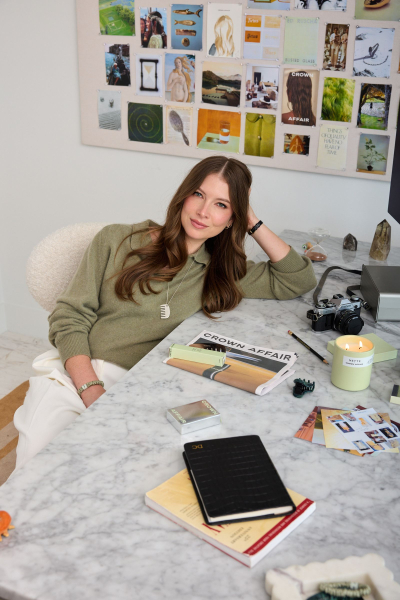
    Dianna Cohen, founder of Crown Affair

    Dianna Cohen Crown AffairJulian Cousins

    One of the first things you’ll notice when using Dianna Cohen’s hair-care line Crown Affair is its subtly herbaceous scent, and that’s intentional. “Scent can transform a daily ritual into something evocative and meaningful,” she says.

    When Cohen combines her hair products with D.S. & Durga I Don’t Know What Eau de Parfum (which has notes of bergamot and vetiver), she feels ready to face whatever life throws at her, whether it’s her wedding or a work event. “There’s a quiet confidence to it,” she says. “It makes me feel comfortable in my own skin, like the best version of me.”

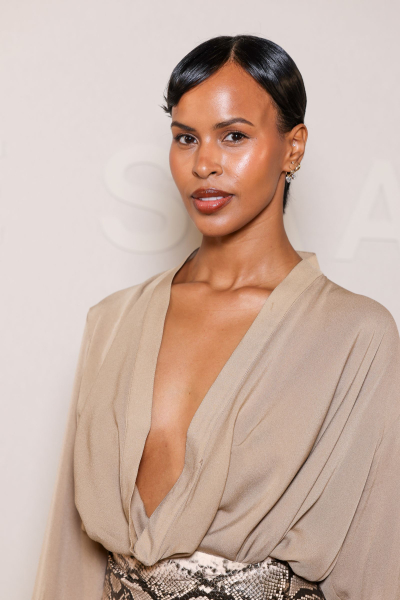
    Sabrina Elba, S’Able Labs cofounder

    Sabrina ElbaGetty Images

    Sabrina Elba glows when she enters a room, whether attending a fashion show or a press event for her skin-care brand, S’Able Labs. On her most demanding days, she wears Maison Crivelli Hibiscus Mahajad Extrait de Parfum for a boost. Says Elba, the blend of hibiscus, leather, and vanilla makes her “feel powerful, yet sensual.” She layers it with Calvin Klein Eternity, a fresh woody-floral that balances the heady extrait.

    Dara Levy, founder of Dermaflash

    Dara LevyCourtesy of Dermaflash

    Dara Levy’s passions aren’t limited to removing peach fuzz and dead skin from complexions. The skin-care device brand founder is also always “on the hunt for the perfect fragrance.” Despite having a luxury-fragrance wardrobe, she always returns to The Body Shop White Musk fragrance mist: “I’ve been wearing it since I was in my 20s,” she says.

    Levy feels commanding when she’s at her most peaceful, which is another reason she reaches for this skin scent. “It makes me feel serene,” she adds.

    Zanna Roberts Rassi, style correspondent for E! and cofounder of Milk Makeup

    Zanna Roberts RassiGetty Images

    Before Zanna Roberts Rassi hits the red carpet, she reaches for Lovely and a Little Twisted, an eau de parfum by Lore. “It’s what I wear when I want to feel in control but also ready to have a little fun,” she says. The sweet, floral fragrance is anchored by an amber accord. “It’s an instant conversation starter,” she adds. “Stars have stopped me on the red carpet mid-flow to ask what my scent is.”

    Tata Harper, founder of Tata Harper Skincare

    Tata Harper HeadshotCourtesy of Tata Harper

    Scent memories are huge motivators. For Tata Harper, this is especially true: She says that Ambra di Venezia Eau de Parfum—which features notes of jasmine, sandalwood, and juicy fruits—transports her back to moments spent with her inimitable grandmother in Barranquilla, Colombia, where she grew up. “Her presence was always so captivating,” Harper recalls. The notes of mandarin orange, mango, and lime undoubtedly remind Harper of home—providing a sense of comfort that gives her vigor to take on the day.

  • Bethenny Frankel Sliced Her Face While Using an At-Home Cupping Tool

    Bethenny Frankel Sliced Her Face While Using an At-Home Cupping Tool

    Bethenny Frankel smilingPhoto: Getty ImagesSave StorySave this storySave StorySave this story

    When you're doing your beauty routine, you expect it to be… well, routine. An at-home skin-care and self-care regimen is typically a low-risk experience, designed to help you look and feel good. You don't expect a simple tool to downright betray you, but that's exactly what happened to Bethenny Frankel in a scary moment she caught on camera and shared on social media.

    Frankel posted three videos to TikTok and Instagram late Thursday night, the third of which shows the entire frightening incident. (Trigger warning: In the videos below, blood is visible.) She starts off recording herself trying the Nurse Jamie Uplift-N-Glow Cups, a facial cupping set made of silicone and glass that claims to promote “circulation and lymphatic drainage, enhancing your natural glow and contour,” according to the brand.

    “I saw this, and it made me so excited because I grind my teeth. And it just felt like it was gonna be a relief, and it is supposed to be for contouring. Could that be true? It makes sense to me,” Frankel says as she starts to drag the tool along her lower face. But soon, she realizes something has gone horribly wrong. “Oh, wait, did I just, like—wait, I'm bleeding. What the fuck? Oh, my god. What is this?”

    It's revealed that the glass suction tip somehow broke, and she didn't realize she was slicing her face with it until it was too late.

    Instagram content

    In the first two videos Frankel posted, the injury has already occurred—what appears to be bleeding gashes on her face—and she's understandably worried. “You guys, oh my god. I'm actually freaking out … I'm fine," she says, before questioning if she might not be. “I just used this thing that I saw online for contouring your face, and I looked at my face, and it was bleeding. Because it's glass, and I guess the suction cut my face.”

    “Please don't believe every person who promotes something," she says in one of the videos. "This is super scary. I was going to go down my neck, and I could have, like, sliced my jugular. I'm freaking out.”
    Allure reached out to Nurse Jamie, and heard back early Friday evening. “Customer safety is extremely important to us, and we’re currently looking into what may have happened,” a brand representative tells Allure. “Our tools are made with high-quality borosilicate glass and undergo quality checks before distribution.”

    Frankel also asks viewers if she should use Neosporin, adding, “What exactly do I do to get this, like, to close up right now?”

    The answer to whether or not she should use Neosporin was met by a lot of commenters with a resounding no—and dermatologists agree. “The most important first step is to gently clean the wound,” says board-certified dermatologist Jenna Queller, MD, founder of DermWorks in Boca Raton, Florida. “Wash the area with mild soap and water to remove any debris and reduce the risk of infection. Keep the wound moist rather than letting it dry out. Apply a thin layer of plain petroleum jelly or a healing ointment and cover it with a clean bandage if possible." And of course, if the cut is deeper, you should absolutely seek medical care beyond first aid.

    To prevent scarring, sunscreen is key. “Once the skin begins healing, strict sun protection is essential,” Dr. Queller says. “UV exposure can darken healing skin and increase the chance of a permanent mark.”
    But let's back up a bit. Is facial cupping even worth this potential problem?

    “Facial cupping is essentially a gentle suction technique that’s meant to temporarily increase blood flow and lymphatic drainage in the skin,” Dr. Queller says. Although you may notice a short-term reduction in puffiness, she adds, there isn’t strong scientific evidence supporting any lasting contouring benefits.

    It's also not without its risks, as Frankel unfortunately learned first-hand. There's the possibility of broken capillaries, irritation—or worse. “Many facial cupping tools are made from glass, and if they break or chip during use, that can easily lead to cuts or lacerations on the face,” Dr. Queller says. “The face has extremely delicate skin and a dense network of blood vessels, so aggressive suction or broken tools can lead to bruising, cuts, or long-term capillary damage.”

    As Frankel warned, it's easy to see someone using a product on TikTok or Instagram and feel influenced. But it's important to do thorough research on not only the quality of the product, but also how to use it to reduce the possibility of something going wrong. “Social media often makes these techniques look quick and easy," Dr. Queller says. "But many at-home facial tools still carry risks when used improperly.”

  • The Wolf Cut Won’t Ever Go Out of Style — See Photos

    The Wolf Cut Won’t Ever Go Out of Style — See Photos

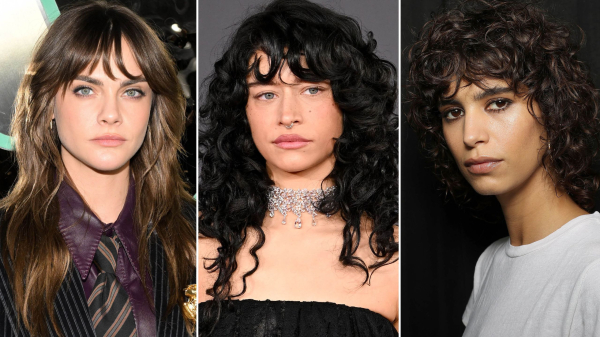
    Cara Delevingne Odessa A'Zion and Mica Argañaraz wearing wolf cutsPhotos: Getty ImagesSave StorySave this storySave StorySave this story

    We didn’t call it a wolf cut back in the day, but this coolness-enhancing, choppy cut conjures up images of the ’80s: tough teens in Van Halen raglan tees driving beat-up cars with metallic blue paint jobs. Thankfully, the 2026 take doesn’t require cutting class to smoke in the boys’ room. This haircut is all about wearable, retro layers—and vibes.

    “It feels a little cheeky and rebellious,” says Chris Russell, a Los Angeles-based hairstylist. “For a while, everything felt very polished and controlled, and the wolf cut pushes back against that. It embraces texture, movement, and a little bit of messiness.” The more effortless it looks, he says, the better.

    The cut’s popularity—and clever name—originated in Korea in the early 2000s, according to Jordan M, a hairstylist at Beauty Supply in New York City. “The momentum for the wolf cut has been pushed by early K-pop bands, Billie Eilish, Squid Games, and, most recently, K-Pop Demon Hunters,” he says. “Its influence has only grown through TikTok and Instagram.”

    “I think if the shag and the mullet had a baby, you would get the wolf cut,” says Sophie Rose Gutterman, a hairstylist in Los Angeles. But don’t let the word “mullet” intimidate you. The wolf cut is not nearly as stark or ironic, and it’s actually quite versatile and easy to style, much like other types of shags.

    Vote for Your Favorite Hair Products

    Billy Hannam, a hairstylist at Anushka Spa & Salon in Palm Beach, explains that the difference between a wolf cut and a conventional shag comes from the shape of the perimeter: “While both styles are known for their abundance of layers and movement and texture, shags tend to be a bit softer and generally blended all around, whereas a wolf cut tends to have varying severities or disconnection based on the desired look.”

    To demonstrate the difference between a shag, a mullet, and a wolf cut, here's Kristen Stewart:

    Kristen Stewart smiling with blonde hair

    Kristen Stewart with a shag.

    Photo: Getty ImagesKristen Stewart with short brown hair

    Kristen Stewart with a mullet.

    Photo: Getty ImagesKristen Stewart posing in a white suit and black tie

    Kristen Stewart with a wolf cut.

    Photo: Getty Images

    Thanks, Kristen.

    Wolf cuts are also highly adaptable to both length and texture, looking incredible whether you polish it pin-straight with a flatiron or roll right out of bed and embrace frizz. “This cut in particular can not only be styled in so many different ways, but it also allows anyone who doesn’t like to style their hair to have a fun shape they can wash and go with,” says Gutterman, who adds that the layering also provides fullness to flat hair.

    “Your stylist can help navigate what will work best with your hair type and the level of effort you’re willing to put in,” Hannam says, insisting that you bring reference photos to the salon. Don’t worry—we’ve got you covered with plenty of visual inspo below.

    Wolf Cuts for Short Hair

    Gutterman loves a short wolf cut because you can put as much or as little effort into it as you feel like on any given day. “What’s so great about this is that you can either wash and go and add some salt spray, or use a curling iron to add some texture,” she says. (We love V&Co. Beauty Wave Babe Texturizing Pink Salt Spray because it adds grit without stiffness.) Ask your stylist for lots of short layers and a nice, rounded fringe. “I like to slide cut just in the front to keep the shape at the bottom,” Gutterman adds.

    Bangs are a big part of short wolf cuts. “You want the bangs to feel piecey rather than blunt, and face-framing layers that create lift around the cheekbones and through the crown,” says Russell, who likes using a razor to create this shape because it keeps the texture soft.

    “For styling at home, the goal is to enhance texture,” he adds, recommending STMNT Spray Powder for rough texture and grip. “I love a flatiron like Sutra IR2 Infrared Flat Iron for wolf cuts because you can bend some sections, keep others straighter, and really control the movement of each layer to get that effortless, lived-in finish.”

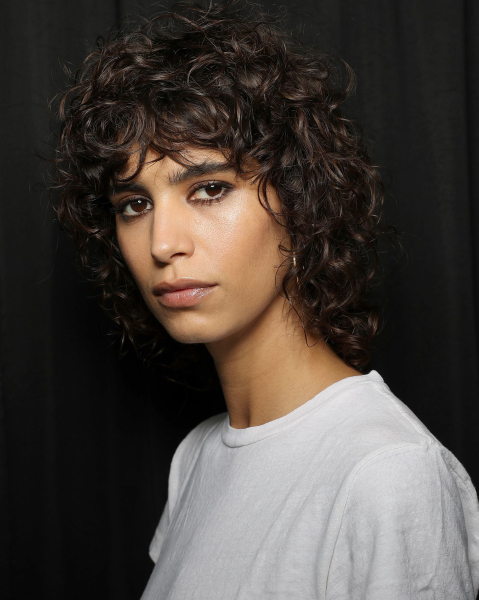
    Sophie Thatcher in a short wolf cut wearing a brown suede and leather shirtPhoto: Getty ImagesMiley Cyrus in a blonde wolf cut and black halter topPhoto: Getty ImagesA model wearing a curly wolf cut and white tshirtPhoto: Getty Images

    Wolf Cuts for Medium-Length Hair

    For a medium-length wolf cut, Gutterman says you want your longest layer to hit somewhere between your shoulders and your chest; your shortest layer may sit as high as your bangs. “If you plan to have long curtain bangs, you can match that length,” Hannam says. But if you have micro bangs, your stylist may want to start your shortest layer closer to your ears. “It’s a super-customizable haircut.”

    As for styling, Gutterman encourages you to work with your natural texture. Got curls? She recommends massaging a curl-enhancing product, such as DevaCurl Ultra Defining Gel, into wet hair before scrunching and diffusing. She says to let your hair, the weather, and the day do the rest of the styling work.

    “Straight hair types will require more manipulation with a blow-dryer or hot tools,” says Hannam. And styling products are key. "Hair textures with more movement will require some paste, maybe some mousse, or hold cream,” he adds. Gutterman recommends those with a straight wolf cut try a texture foam; we’re especially fond of The Doux Mousse Def Texture Foam and Living Proof Full Texturizing Foam.

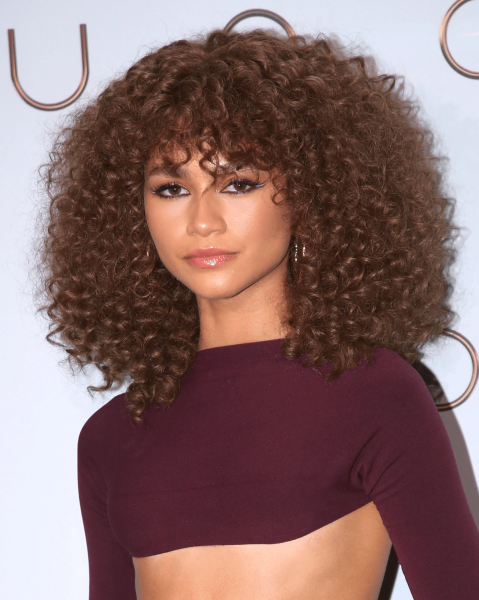
    Image may contain Debby Ryan Blonde Hair Person Adult Face and HeadZendaya in a curly wolf cut and cropped burgundy topPhoto: Getty ImagesMiley Cyrus wearing a mediumlength blonde wolf cut and a floral Balenciaga jacketPhoto: Getty ImagesNatasha Lyonne smiling in a strapless topPhoto: Getty Images

    Wolf Cuts for Long Hair

    A long wolf cut is ideal for anyone who’s been itching to do something noticeably different with their hair without losing their beloved length. “Always tell your stylist what’s important to you, like maintaining thickness on the ends or wanting as much volume as possible,” Hannam says.

    “Ask your stylist for choppy layers concentrated through the crown to create lift while maintaining length through the perimeter,” says Russell, who adds that razor cutting works well because it keeps the layers light and airy.

    “This version of the wolf cut gives sexy and cool at the same time,” says Gutterman. “I love using a curling iron and winding the sections in different directions.” We recommend the Best of Beauty Award-winning T3 CurlWrap Auto-Rotating Curling Iron because it does the winding for you and lets you choose from a whopping nine different heat settings.

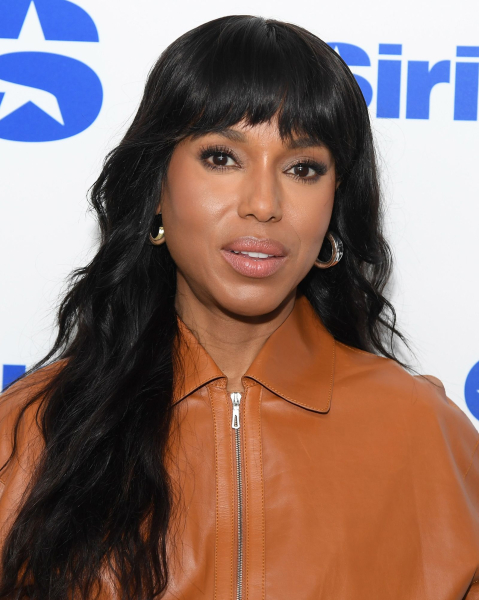
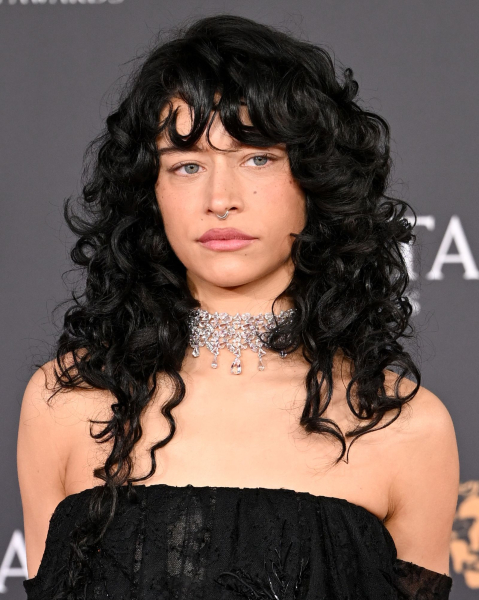
    Cara Delevingne wearing a suit and tiePhoto: Getty ImagesSophie Thatcher in a long blonde wolf cut and black fur coatPhoto: Getty ImagesKerry Washington wearing a long wolf cut and camel leather jacketPhoto: Getty ImagesOdessa A'zion wearing a curly wolf cut diamond choker and black off the shoulder dressPhoto: Getty Images

    Just remember that, depending on your hair, the wolf cut you envision may not be the one you end up with—and that’s okay. Go to your consultation with an open mind, honesty about how much time you’re willing to put into styling, plus a few reference photos, and you’ll leave with your ideal wolf cut.

  • Meet the Makeup Bags That’ll Change The Way You Travel

    Meet the Makeup Bags That’ll Change The Way You Travel

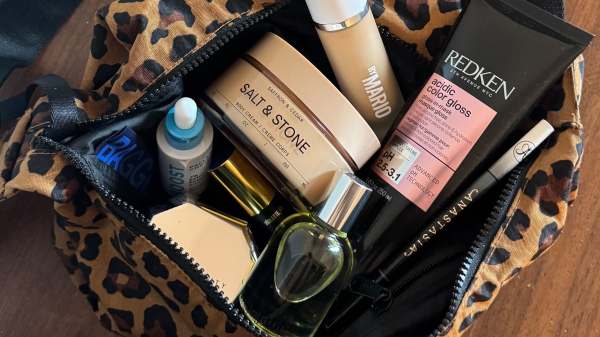
    A photo of an open leopardprint makeup bag filled with beauty productsAllureSave StorySave this storySave StorySave this story

    Shopping for beauty products is always fun, but organizing them? Well, that’s another story. That is, until we discovered the best makeup bags. Deep down, you know that your precious makeup, hair care, and skin-care stockpiles deserve to be stored with dignity in something pretty, practical, and portable. Along with their sleek styles (no cheesy paisley patterns here), these cases are filled with extra pockets and compartments to ensure easy access to your favorite products and tools. Whether you need a carry-on-friendly makeup bag to tote through TSA or simply something to help keep your vanity in order, these spacious makeup bags will check all your boxes. Keep scrolling to find your perfect pouch.

    Our Top Makeup Bags

    • Best Overall: Kusshi Large Neoprene Train Case, $68
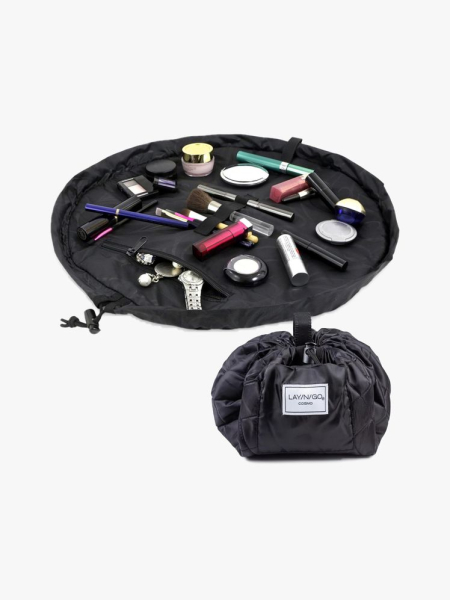
    • Most Convenient: Lay-n-Go Cosmo Layflat Drawstring Makeup Bag, $30
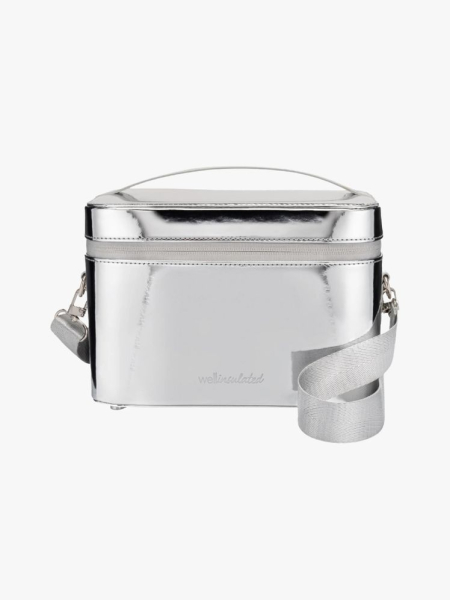
    • Best Insulated: WellInsulated Performance Beauty Bag, $69
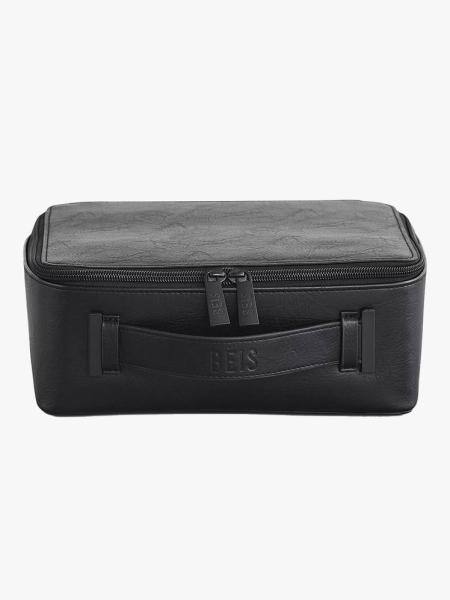
    • Best Structured: Béis The Cosmetic Case, $78
    • Best Customizable: Relavel Travel Makeup Train Case, $30

    Frequently Asked QuestionsAccordionItemContainerButtonLargeChevron

    • What should you look for in a makeup bag?
    • Meet the experts
    • How we test and review products
    • Our staff and testers

    Best Overall: Kusshi Large Neoprene Train Case

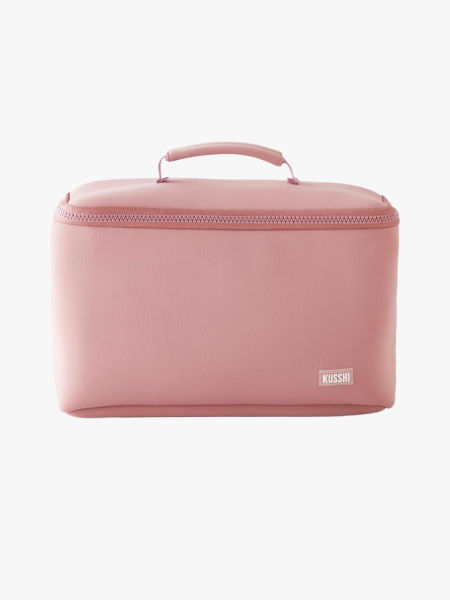
    Kusshi Large Neoprene Train Case in branded component on a light gray backgroundSave to wishlistSave to wishlist

    Kusshi

    Large Neoprene Train Case

    $68

    Amazon

    $68

    Nordstrom

    $68

    Revolve

    Allure contributing commerce writer Christa Joanna Lee filling her Kusshi Large Neoprene Train Case

    Christa Joanna Lee

    Why it’s worth it: If you like your makeup bag to stand out in a crowd—or want something easy to spot when traveling with a group—scoop up Kusshi’s brightly colored cases. Beyond the shades of pastel green, blue, and pink, the neoprene material is also super-stretchy (not to mention machine-washable), so it can handle a little overfilling—hey, we’re beauty editors, it happens.

    The roomy main compartment fits full-size products, while small interior pockets along the sides help keep lip glosses and mini products nice and organized. There’s also a zippered top section for tools, like brushes, tweezers, and nail files. It’s big, it’s bold, and it keeps all of our products neatly in place.

    Tester feedback from contributing commerce writer Christa Joanna Lee

    AccordionItemContainerButtonLargeChevron

    “Even though this is technically the smaller version, it’s roomy enough to fit plenty of full-size skin care in addition to my go-to makeup. The several smaller pockets make it easy to store items like lipstick without having to shuffle everything around. I like that the handle makes it convenient to tote around from my vanity to the bathroom, or for travel.”—Christa Joanna Lee, commerce writer

    More to know

    AccordionItemContainerButtonLargeChevron

    • Dimensions: 7 inches x 11 inches x 4.5 inches
    • Material: neoprene
    • Colors: 8

    Most Convenient: Lay-n-Go Cosmo Layflat Drawstring Makeup Bag

    Lay-n-Go Cosmo Layflat Drawstring Makeup Bag Organizer in branded component on a light gray backgroundSave to wishlistSave to wishlist

    Lay-n-Go

    Cosmo Layflat Drawstring Makeup Bag

    $30 $25 (17% off)

    Amazon

    $30

    Walmart

    A video clip of Allure commerce editor Sarah Han closing up a Lay-n-Go Cosmo Layflat Drawstring Makeup Bag Organizer

    Sarah Han

    Why it’s worth it: We’ve been seeing lay-flat makeup organizers like Lay-n-Go’s all over our FYPs, and when we finally tried one ourselves, we understood the hype. This drawstring bag holds all your products like a traditional makeup bag, but once you loosen the cord, it lays completely flat on your counter—so you can see everything at once, instead of digging around. Think of it as a vanity you can easily take with you on the go.

    It also has a raised edge to help keep products from rolling off your counter, and if something spills while you’re traveling, don’t fret—you can toss the whole bag in the washing machine for easy cleanup. It’s the perfect fix for type-B travelers who don’t have the time or energy to sort products into tiny slots and pockets.

    Tester feedback from commerce editor Sarah Han

    AccordionItemContainerButtonLargeChevron

    “I wasn't sure if this was going to be gimmicky, but now I wish I had bought one years ago! I'll be honest: No matter how many pockets and sections a makeup bag may possess, I'm just not capable of keeping things in order/check, especially when I'm traveling. I love how I can see every item at a glance when it's opened up and laying flat; it definitely beats rummaging around for 15 seconds trying to find that one thing. It really couldn't be easier to tie back up and toss into my bag, so all in all, this makeup bag is a lazy girl's dream! Thankfully, it comes in some cute colors (like this lavender!) so it's not too utilitirian-looking.” —Sarah Han, commerce editor

    More to know

    AccordionItemContainerButtonLargeChevron

    • Dimensions: mini: 13 inches, original: 20 inches, deluxe: 22 inches
    • Material: polyester
    • Colors: 32

    Best Insulated: WellInsulated Performance Beauty Bag

    WellInsulated Performance Beauty Bag in branded component on a light gray backgroundSave to wishlistSave to wishlist

    WellInsulated

    Performance Beauty Bag

    $129

    Bluemercury

    Why it’s worth it: If you ever refrigerate your skin-care products or want to travel with them without risking their potency, let us introduce you to WellInsulated’s Performance Beauty Bag. As the name suggests, it’s insulated to help regulate temperature, protecting your products from heat, moisture, and humidity while you’re on the go.

    If anything leaks inside, the spill stays contained inside the bag, instead of soaking through to the rest of your luggage. The aluminum lining also makes cleanup easy—just wipe it down—and helps guard against bacteria and germs. If you’re investing in high-quality beauty products, this bag is worth it to help keep them protected.

    Tester feedback from commerce writer Lily Wohlner

    AccordionItemContainerButtonLargeChevron

    “I swear every time I travel, something spills in my bag, but ever since I started using the WellInsulated makeup bag, it’s been so much easier to deal with. Even if my products take a tumble during travel, cleanup takes literally two seconds with a wet wipe or paper towel. Plus, I keep my eye patches in the fridge, and when I toss them in this bag, they’re still cold by the time I take them out—which feels amazing after a long flight (or even during one).” —Lily Wohlner, commerce writer

    More to know

    AccordionItemContainerButtonLargeChevron

    • Dimensions: 5 inches x 7.5 inches x 3 inches
    • Material: aluminum (interior), vegan leather (exterior)
    • Colors: 5

    Best Structured: Béis The Cosmetic Case

    Black Béis The Cosmetic Case on a light gray backgroundSave to wishlistSave to wishlist

    Béis

    The Cosmetic Case

    $78

    Nordstrom

    $78

    Béis

    Why it's worth it: Doing makeup while in a moving vehicle should be considered an Olympic sport. However, having a good makeup bag on your lap while you multitask (in the passenger seat, of course), can make a world of difference. The Béis The Cosmetic Case is one of our go-tos, thanks to its roomy design, removable makeup mirror, and makeup brush holder—which can also hold an eyeliner or eyebrow pencil, by the way. For the little things you don’t want floating around in your bag (hi, tweezers), there’s a separate zippered compartment. New York City-based makeup artist Kasey Spickard is also a fan, calling the case “very chic.” He adds that he loves how cute it looks on any vanity and how seamlessly it fits into your travel routine.

    Tester feedback from former commerce writer Jennifer Hussein

    AccordionItemContainerButtonLargeChevron

    "This is my all-time favorite travel makeup bag, since it's one of the few that have actually withstood my clumsiness during my travels. I throw all of my full-size bottles and palettes in this ultra-large case and everything stays put without breaking or spilling, even after I inevitably drop it a few times." —Jennifer Hussein, former commerce writer

    More to know

    AccordionItemContainerButtonLargeChevron

    • Dimensions: 10 inches x 7 inches x 3.8 inches
    • Material: faux leather (exterior), polyester, and PVC (interior)
    • Colors: 9

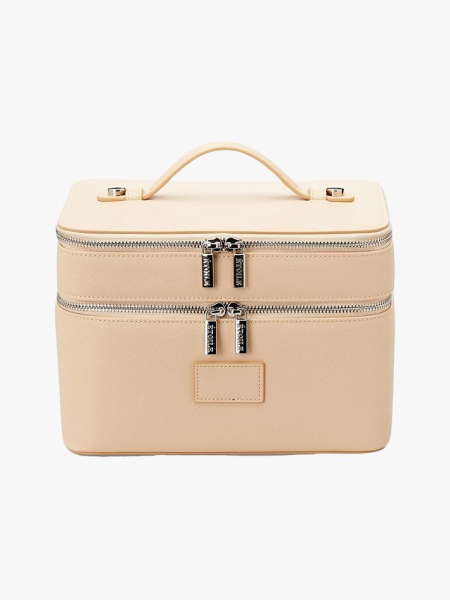
    Best for Overpackers: Étoile Collective Duo Vanity Case

    Étoile Collective Duo Vanity Case beige bag on light grey backgroundSave to wishlistSave to wishlist

    Étoile

    Collective Duo Vanity Case

    $110

    Amazon

    $110

    Revolve

    Why it's worth it: So, you've got a lot of stuff—Étoile's Collective Duo Vanity Case isn't sweating it. This double-decker cosmetics case has a deep main compartment with a detachable, flexible divider insert and pouches for upright storage of full-size bottles and tools. This main compartment is also lined with pockets that are perfect for storing small eye shadow palettes or bronzers. According to Spickard, the top slots are useful for stashing brushes and pencils. Like many of the other options on this list, it also comes with a handy fold-out mirror, in case you need to touch up while you’re on the road.

    Tester feedback from Han

    AccordionItemContainerButtonLargeChevron

    “This two-tier case is an overpacker's dream. (Yes, I'm the overpacker.) The spacious bottom compartment comes with a removable divider insert that’s easy to clean if any mishaps happen, and the built-in elastic brush holders solve the common problem of 'Where the heck do I put my brushes?' The top compartment is perfect for all my smaller items like liners, mascaras, and lippies, and the included mirror easily beats any teensy-tiny mirror in one of my compacts." —Sarah Han, commerce editor

    More to know

    AccordionItemContainerButtonLargeChevron

    • Dimensions: 12.6 inches x 16.5 inches x 7.3 inches
    • Material: faux leather (exterior), nylon (interior)
    • Colors: 11

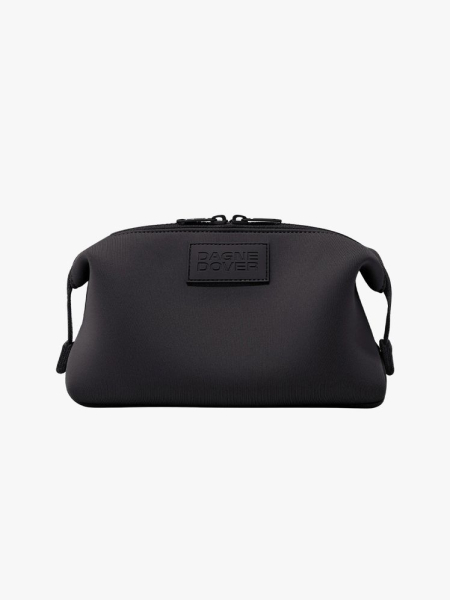
    Best Water-Resistant: Dagne Dover Hunter Toiletry Bag

    Dagne Dover Hunter Toiletry Bag black bag on light grey backgroundSave to wishlistSave to wishlist

    Dagne Dover

    Hunter Toiletry Bag

    $55

    Nordstrom

    $55

    Dagne Dover

    Why it's worth it: Dagne Dover's multitasking Hunter Toiletry Bag is made from delightfully durable, water-resistant, and easy-to-clean neoprene, so you can toss it in your gym bag next to your water bottle worry-free. It has room for essentials like a razor, a full-size fragrance bottle, or even your favorite travel-friendly hot tool. The bag also features two removable zippered pockets if you need more space for full-size makeup items. P.S. It comes in a larger size, if that better suits your needs.

    Tester feedback from former shopping market editor Angela Trakoshis

    AccordionItemContainerButtonLargeChevron

    “This toiletry bag is so well-designed. The compartments keep everything organized, so I'm not digging around trying to find what I need. Even if I am a mess, it makes me feel like I have my life together. It's also water-resistant, so I love to take this one to the beach with me (it fits all my sunscreens!)." —Angela Trakoshis, former shopping market editor

    More to know

    AccordionItemContainerButtonLargeChevron

    • Dimensions: 7.5 inches x 4 inches x 4.5 inches
    • Material: neoprene, zinc alloy
    • Colors: 10

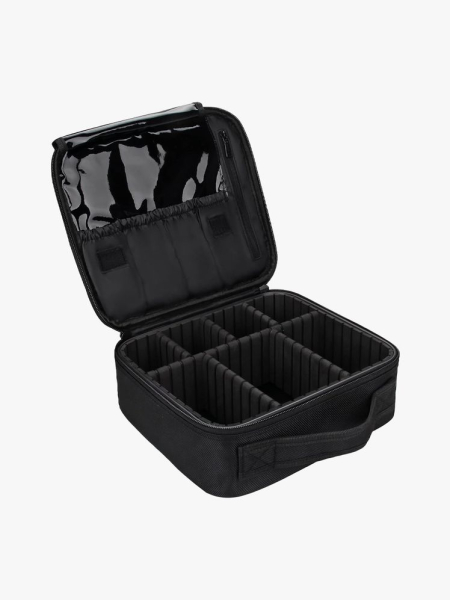
    Best Customizable: Relavel Travel Makeup Train Case

    Relavel Travel Makeup Train Case in branded component on a light gray backgroundSave to wishlistSave to wishlist

    Relavel

    Travel Makeup Train Case

    $30 $16 (47% off)

    Amazon

    Why it’s worth it: Is it just us, or is a train case always the chicest option? But Relavel’s Train Case doesn’t just look the part—it also has adjustable dividers to keep everything organized and in place. It’s designed to hold travel-size and full-size bottles while lying flat, plus it has plenty of zippered mesh pockets for all the little things that tend to get lost at the bottom of your bag.

    The smallest size makes a convenient weekend-trip makeup bag, while the largest is ideal for pros in need of a new kit. For beauty collectors like us, it’s also perfect for stashing under the bed when products start overflowing from your medicine cabinet (been there).

    Spickard uses the Relavel makeup organizers in his professional kit. He also recommends them to his celebrity clients to help organize their own makeup collections. “They’re customizable, relatively inexpensive, and still sturdy enough to get your kit into shape,” he says. Bonus: There are tons of ways to carry the larger sizes, whether you want to wear it like a backpack or throw it on like a crossbody.

    More to know

    AccordionItemContainerButtonLargeChevron

    • Dimensions: small: 10.3 inches x 9 inches x 3.6 inches, medium: 13.4 inches x 9 inches x 4.3 inches, large: 15.7 inches x 11 inches x 5.5 inches, extra large: 16.5 inches x 12.6 inches x 7.3 inches
    • Material: waterproof Oxford cloth (woven fabric)
    • Colors: 1

    Best Hanging: Away The Hanging Toiletry Bag

    Away The Hanging Toiletry Bag black hanging toiletry bag on light grey backgroundSave to wishlistSave to wishlist

    Away

    The Hanging Toiletry Bag

    $85

    Away

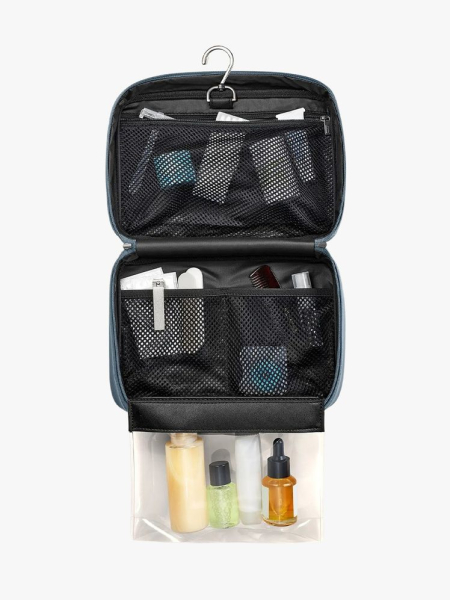
    Why it's worth it: Away's The Hanging Toiletry Bag may look like an average makeup bag at first—but, once you’re settled in, it unfolds and expands to hang on a doorknob or hanger, handy for hotel stays or as a storage solution in your bedroom. The outside is water-repellent, while the inside is spill-proof (so feel free to toss liquids inside). Three interior mesh pockets keep things in order, while the removable clear pouch protects liquid products from leaking—and the exterior zippered pocket is perfect for stashing hand sanitizer (and anything else you might need easy access to).

    More to know

    AccordionItemContainerButtonLargeChevron

    • Dimensions: 9.6 inches x 3.74 inches x 6.6 inches
    • Material: nylon
    • Colors: 5

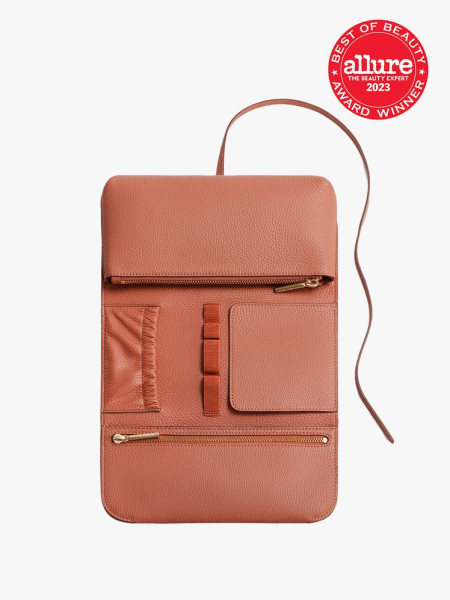
    Most Compact: Cuyana Travel Beauty Roll

    Cuyana Travel Beauty Roll in coral color on light grey background with red best of beauty sealSave to wishlistSave to wishlist

    Cuyana

    Travel Beauty Roll

    $258

    Cuyana

    $258

    Bloomingdale's

    Why it's worth it: If you need a smaller bag for carrying slender items like brushes, pencils, and pens, Cuyana's Travel Beauty Roll is a worthwhile splurge crafted from high-quality Italian leather. The Allure Best of Beauty Award-winning travel case has four sections: one zippered, one large slip pocket, one brush compartment, and one detachable pouch, so all your goodies stay in place. If anything spills or leaves marks, you can clean the leather lining using a damp cloth with a bit of soap or micellar water on a cotton pad.

    More to know

    AccordionItemContainerButtonLargeChevron

    • Dimensions: 9.5 inches x 14.5 inches x 0.5 inches (flat)
    • Material: pebbled leather
    • Colors: 1

    Frequently Asked Questions

    What should you look for in a makeup bag?

    According to Spickard, there are four main things to look for when shopping for a makeup bag:

    Customizability

    He recommends looking for bags with subdividers, so you can arrange everything exactly how you like it. He prefers a mix of at least one or two zippered pouches along with larger, open compartments that you can organize yourself.

    Durability

    You’ll want a makeup case that’s durable and won’t dent, scratch, or get dirty easily, Spickard says: “I also want to be able to wipe down the bag easily with an alcohol or makeup wipe to keep it nice and clean.” While leather may look nice, it’s not as easy to clean as a nylon interior.

    Brush & Liner Storage

    Spickard prefers bags with separate storage specifically for brushes and liners. “There’s nothing I hate more than dirty makeup brushes floating alongside makeup products,” he says. “Same for liners—they get lost so easily without separate elastic holders.”

    Size

    In terms of what size to opt for, this depends on your makeup routine, how many products you have, and if you also want to store your skin care and grooming tools along with your makeup itself, Spickard says. You might want something small and sleek if you’re carrying just the essentials, or something larger that can grow with your collection as you add to it.

    Meet the experts

    • Kasey Spickard is a New York City-based makeup artist

    How we test and review products

    Before reviewing any makeup, we ask questions about a number of factors: What ingredients are in it? Does the brand offer a wide shade range inclusive of consumers with all skin tones and undertones? Is it safe for readers who have sensitive skin or wear contact lenses? Is it on the affordable side or more of a splurge? Is its packaging consciously designed or needlessly wasteful?

    For our review of the best makeup bags, we enlisted the help of multiple editors, writers, and contributors to review the products. This ensures our testing base spans different skin tones, genders, and dermatological conditions. We considered each product's performance across four primary categories: ingredients, wear and longevity, packaging, and inclusivity. For more on what's involved in our reporting, check out our complete reviews process and methodology page.

    Our staff and testers

    A beauty product is a personal purchase. You might be searching for a face cream to address persistent dryness or a new nail product to add to your Sunday self-care routine; you may simply be browsing around for the latest launches to hit the hair market. No matter what you seek or your individual needs and concerns, Allure wants to ensure that you love anything we recommend in our stories. We believe that having a diverse team of writers and editors—in addition to the wide range of outside testers and industry experts we regularly call upon—is essential to reaching that goal.

    After all, can we really say a skin-care product is the "best" for people over 50 if the only testers we've solicited opinions from folks who have yet to hit 30? Can we honestly deem a high-end diffuser worthy of your hard-earned cash if it's never been tested on curls? We're proud that our staff spans a wide range of ages, skin tones, hair textures, genders, and backgrounds, which means that we are able to fairly assess any beauty product that comes into the beauty closet.

  • What Perfume Does Hailey Bieber Wear?

    What Perfume Does Hailey Bieber Wear?

    A photo of Hailey Bieber at an eventGetty ImagesSave StorySave this storySave StorySave this story

    It’s no secret that Hailey Bieber is a beauty lover (hello, Rhode). While she’s known for perfecting the art of the lip balm and on-point nail colors, her scent rotation is pretty impressive, too. We can only assume her collection is vast and ever-evolving—she’s the queen of beauty trends, after all—there are a handful of perfumes and mists that are her self-proclaimed favorites.

    Will Mrs. Bieber ever create a fragrance of her own? Time will only tell (we’re still waiting on the Eau d’Nepo release). But, until then, we’ll be taking notes from her current roundup of essential scents. Because we know you’re just as curious as we are, we dug deep into the internet archives to find every scent Bieber swears by, from viral fragrant hits to niche finds that’ll elevate your own curation.

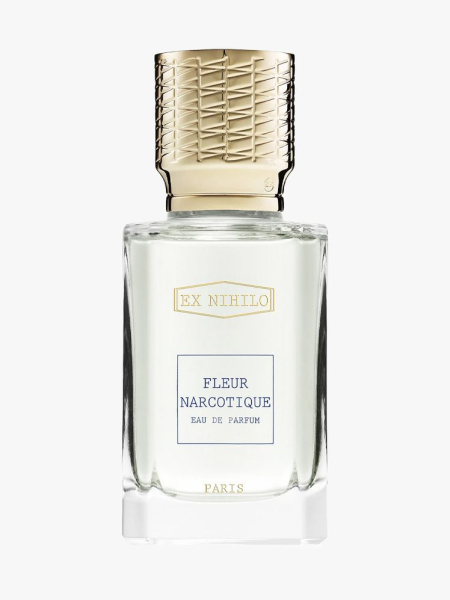
    Ex Nihilo Fleur Narcotique Eau de Parfum

    Ex Nihilo Fleur Narcotique Eau de Parfum in branded component on a light gray backgroundSave to wishlistSave to wishlist

    Ex Nihilo

    Fleur Narcotique Eau de Parfum

    $245

    Nordstrom

    If there’s one fragrance that can be considered Bieber’s verified signature, it’s the Ex Nihilo Fleur Narcotique Eau de Parfum. Previously, the model shared that no matter how many fragrant elixirs come and go from her collection, this floral-forward fragrance always finds a way back into her rotation. “That’s the scent I’ve actually been wearing for a few years, and I find myself always going back to that one,” she said.

    This captivating fruity-floral blend bursts with a juicy mix of peach, lychee, and bergamot. As it dries down, a mix of soft jasmine and orange blossom combines seamlessly with warm musk and fresh, earthy moss.

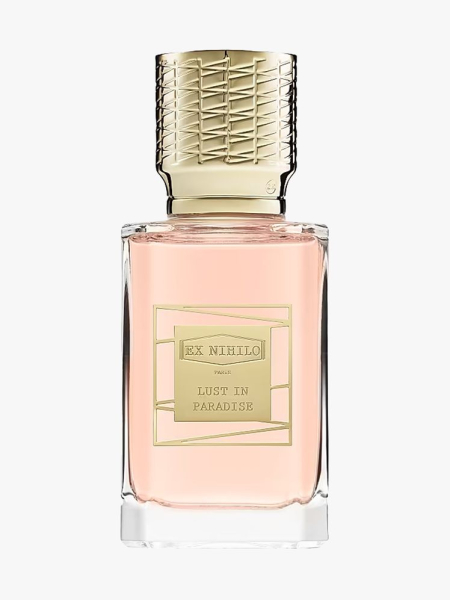
    Ex Nihilo Lust in Paradise Eau de Parfum

    Ex Nihilo Lust in Paradise Eau de Parfum in branded component on a light gray backgroundSave to wishlistSave to wishlist

    Ex Nihilo

    Lust in Paradise Eau de Parfum

    $355

    Nordstrom

    Bieber must have quite the collection of Ex Nihilo fragrances. In conversation with GQ, the model revealed that she’s run through multiple bottles of this French Riviera-inspired fragrance, stating she was already halfway through her third at the time (which was 2023, by the way—who knows how many empty glass bottles of this fragrant elixir she’s run through by now). “This fragrance lives up to its name,” she said. “It smells kind of beachy and floral-y. Think a Hawaii kind of vibe.”

    Like her other favorite Ex Nihilo perfume, this is a floral blend, but this one has undertones of a solar attitude. Lust in Paradise features hints of pink pepper and peony, elevated by touches of fruity lychee, soft cedarwood, and creamy musk.

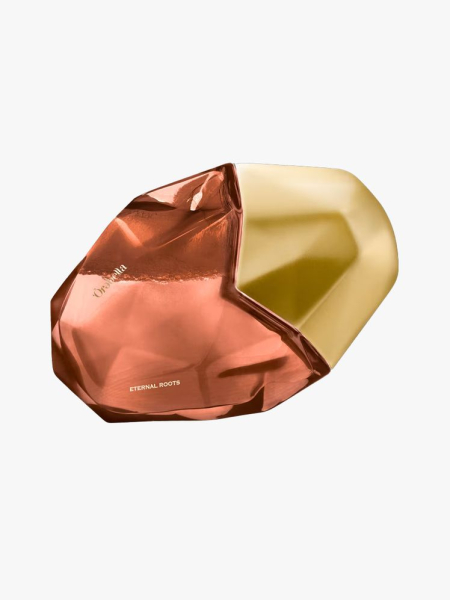
    Orebella Eternal Roots Parfum

    Orebella Eternal Roots Parfum in branded component on a light gray backgroundSave to wishlistSave to wishlist

    Orebella

    Eternal Roots Parfum

    $72

    Ulta Beauty

    We love it when the girls support each other. In true model behavior, Bieber celebrated with her best friend and fellow runway mainstay, Bella Hadid, for the launch of the latter’s latest addition to her fragrance brand, the Orebella Eternal Roots Parfum. In an Instagram post from the brand, the two spritzed the woody-fruity blend with gusto as Bieber gushed about how much she loves the blend.

    What’s in this captivating, alcohol-free scent? A trio of lychee (a common note in Bieber’s fragrance lineup), earthy vetiver, dry/woody papyrus, and hazy birch smoke. The beauty of this fragrance is that it’s spiked with skin-smoothing ingredients like snow mushroom and botanically-derived oils from jojoba, olive, camellia, and shea.

    Yves Saint Laurent Libre Flowers & Flames Eau de Parfum

    Yves Saint Laurent Libre Flowers & Flames Eau de Parfum in branded component on a light gray backgroundSave to wishlistSave to wishlist

    Yves Saint Laurent

    Libre Flowers & Flames Eau de Parfum

    $170 $131 (23% off)

    Amazon

    $180

    Nordstrom

    $180

    Ulta Beauty

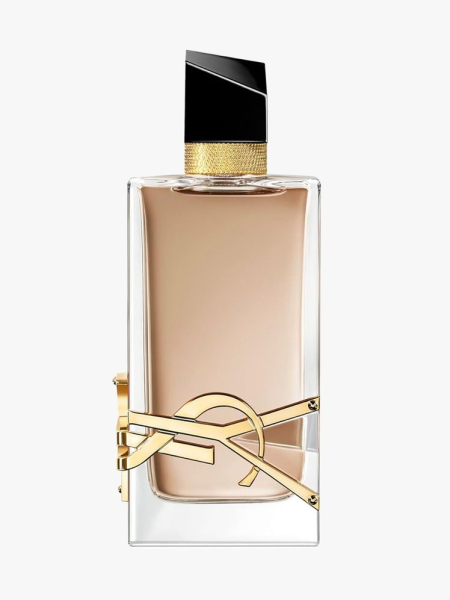
    Bieber is the face of the Yves Saint Laurent Libre Flowers & Flames Eau de Parfum, so it makes sense that this would be one of her newer favorites. Previously, she told Vogue that this iteration of YSL’s iconic Libre collection is reminiscent of her journey into motherhood. “There is a sexiness to the fragrance, while still feeling very elegant and chic,” she said.

    This iteration of the label’s signature Libre fragrance has the same orange blossom and vanilla bourbon base as the original, now heightened with beachy, tropical-inspired notes. With each spritz, you’ll catch a whiff of solar elements like creamy coco-palm tree flower, desert lily, and lavender.

  • Gwyneth Paltrow Wore the Moodiest Nail Color With the Springiest Dress—See the Photos

    Gwyneth Paltrow Wore the Moodiest Nail Color With the Springiest Dress—See the Photos

    Gwyneth Paltrow appears at an awards show in drop earrings and a tight updo.Getty ImagesSave StorySave this storySave StorySave this story

    It may be because I'm in Minnesota, where we're bracing for a snowstorm just days after enjoying 60-degree weather, but Gwyneth Paltrow's combination of a springy, grass-green dress and ultra-moody, vampy nail color matches my vibe exactly.

    The Marty Supreme star flew to Rome for the Valentino show just a few days before the Academy Awards and sat front row in a cheery chartreuse dress paired with dark, glossy nails—a cool contrast that blended the springy mood that always perks up around March and a hint at the fall/winter designs presented by the fashion house. (Remember, they're showing fall and winter designs at this Fashion Month.)

    Gwyneth Paltrow poses at a Valentino fashion show in a green dress straight blonde hair and a dark manicure.Getty Images

    Paltrow's nails were a medium length and gentle squoval shape, pristinely painted with several coats of a rich shade that toed the line between black and very dark, saturated espresso brown. The cheery green dress, flowing blonde hair, and sheer lace tights were fanciful and joyful like a sunny spring day, but her dark nails added a goth-slash-glam edge to the ensemble. While so many celebs have eschewed nail color in favor of the milky or “my nails but better” neutral, it's fun to see a return to the short, dark ‘90s nail every now and again—especially when it’s on Paltrow, a.k.a. the queen of the '90s.

    If you're not quite ready to leave your favorite deep, moody shades behind in favor of springy pastels, you don't have to! “Fake spring” is a thing for those of us in wintry climates, after all, and the groundhog said there's still more winter in the air. To mimic GP's Valentino mani, try Londontown's Lakur Enhanced Colour in Midnight Mocha, Static Nails Liquid Glass Lacquer in Black Rose, or Hermès Les Mains Nail Enamel in Brun Bistre for a fancy splurge—and don't forget to finish with a blindingly shiny top coat for some movie star-worthy shine.

  • 12 Best Lotions for Dry, Itchy Skin That Calm, Soothe, and Hydrate

    12 Best Lotions for Dry, Itchy Skin That Calm, Soothe, and Hydrate

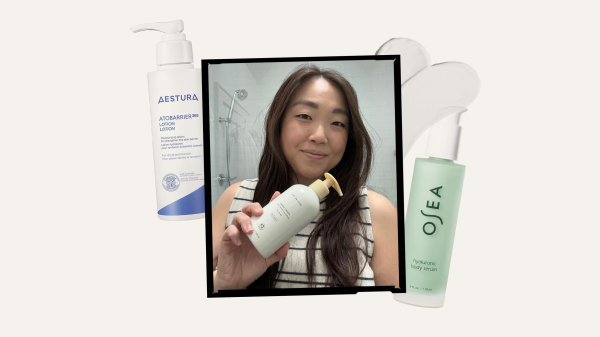
    A photo of Allure contributing commerce writer Christa Lee holding the Soft Services body lotion alongside other product...Collage: Jemeria Davison; Source images: Courtesy of Allure editors and brandsSave StorySave this storySave StorySave this story

    Nothing beats finding (and slathering on) the best body moisturizers for itchy skin when your skin is seriously uncomfortable. While they're not always the buzziest products on the shelf, that doesn't really matter: These formulas always feel like a sigh of relief in a bottle, especially when flakes start forming, redness surges, and the urge to scratch becomes almost impossible to ignore.

    Products designed specifically for reactive skin harness ingredients like squalane and ceramides, which strengthen your skin barrier (the protective layer that guards against external irritants) and boost moisture retention, calming skin, and stopping the itch-scratch cycle. Because, yes, it actually is possible to stop scratching and take your skin from dry and rough to soft and radiant. To help you get there, we spoke to Allure editors and board-certified dermatologists about their favorite body moisturizers for itchy skin, what causes itchiness to begin with, and exactly how to choose the best formula for your needs.

    Our Top Body Moisturizers for Itchy Skin

    • Best Overall: Kiehl’s Ultra Body Mega Moisture Squalane Cream, $49
    • Best Lightweight: OSEA Hyaluronic Body Serum, $48
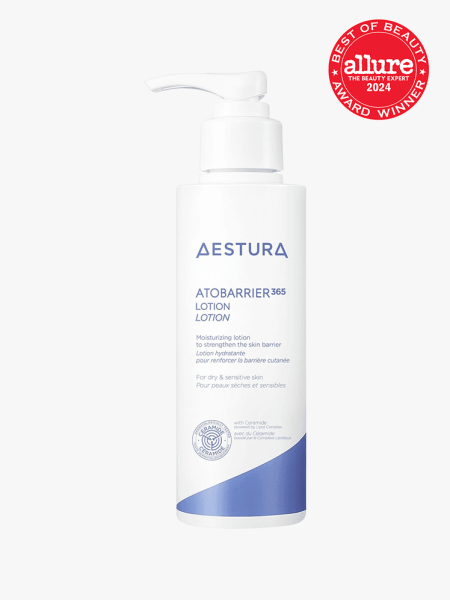
    • Best for Barrier Repair: Aestura Atobarrier 365 Ceramide Lotion, $32
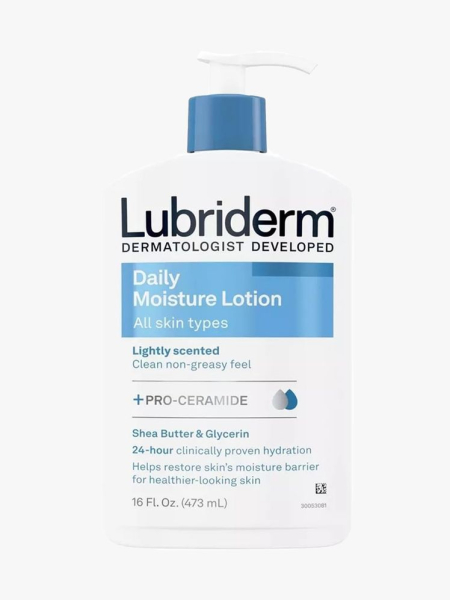
    • Best Drugstore: Lubriderm Daily Moisture Lotion, $15
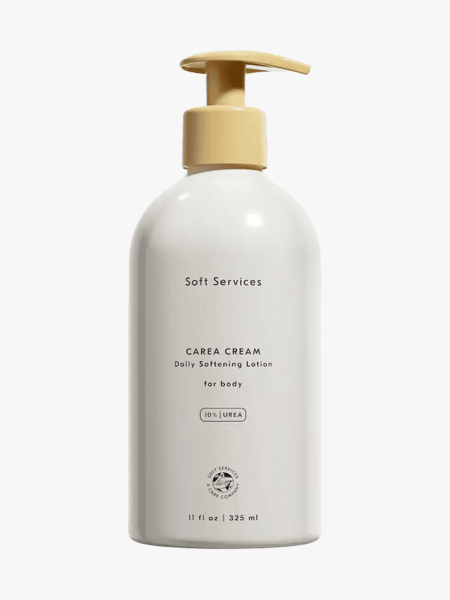
    • Best for Sensitive Skin: Soft Services Carea Cream, $40
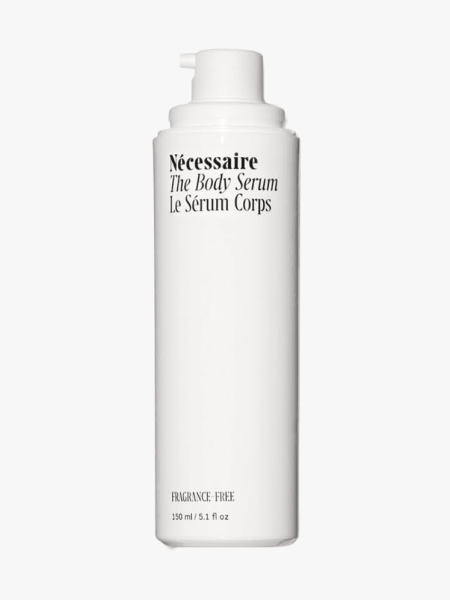
    • Best Fast-Absorbing: Nécessaire The Body Serum, $52
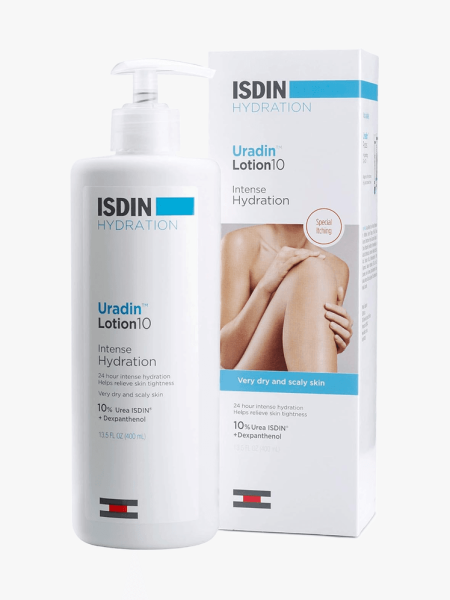
    • Best for Super Dry Skin: Isdin Uradin Lotion 10 Hydrating Body Lotion for Dry Skin, $42

    Frequently Asked QuestionsAccordionItemContainerButtonLargeChevron

    • What do dermatologists recommend for extremely dry, itchy skin?
    • How should I choose a lotion for dry, itchy skin?
    • What cream stops itching fast?
    • Meet the experts
    • How we test and review products
    • Our staff and testers

    Best Overall: Kiehl’s Ultra Body Mega Moisture Squalane Cream

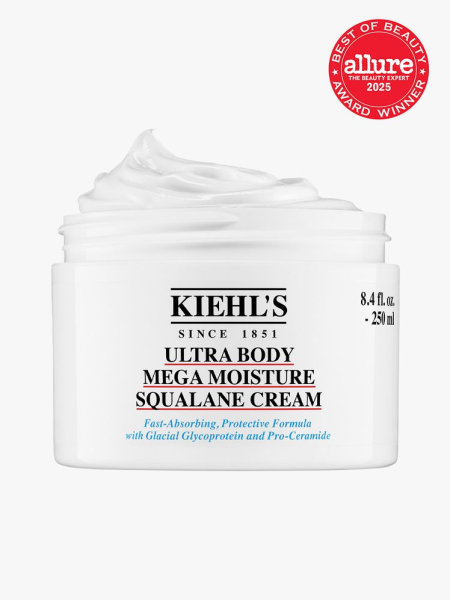
    Kiehl’s Ultra Body Mega Moisture Squalane Cream in branded white jar on light gray background with red Allure Best of Beauty seal in the top right cornerSave to wishlistSave to wishlist

    Kiehl's

    Ultra Body Mega Moisture Squalane Cream

    $49

    Amazon

    $49

    Nordstrom

    $49

    Ulta Beauty

    Allure contributing commerce editor Deanna Pai applying the Kiehl’s Ultra Body Mega Moisture Squalane Cream

    Deanna Pai

    Why it's worth it: Even though Kiehl’s already has a reputation for sensitive skin-friendly formulas, the Ultra Body Mega Moisture Squalane Cream goes even further by targeting skin that’s both extra-dry and easily irritated. “This is a great, gentle product that will provide the skin with lots of hydration and also support the skin's barrier health,” says Anna Chacon, MD, a board-certified dermatologist based in Miami. She also notes that it’s “not too thick,” fast-absorbing, and has a light, non-greasy texture that won’t trigger sensitivity. The formula leans on two key ingredients for itchy, reactive skin: squalane and ceramides, which “strengthen and repair your skin barrier while moisturizing the skin,” Dr. Chacon explains. That combo helps calm irritation, reduce the urge to scratch, and keep skin hydrated for up to three days—making it a rare, barrier-boosting body cream that works for skin conditions like eczema, rosacea, and psoriasis.

    Tester feedback from contributing commerce editor Deanna Pai

    AccordionItemContainerButtonLargeChevron

    “Moisturizing from head to toe is non-negotiable—or else my skin gets so itchy that it wakes me up in the middle of the night. I’ve used a lot of body butters, some better than others, but what sets this apart is its whipped texture, which is nourishing enough to keep me from scratching, but sinks in immediately. It’s been a godsend as the temperatures rise, since I don’t have to worry about waiting for it to absorb. And a little goes a long way, so I’m hoping the tub lasts me through summer.” —Deanna Pai, contributing commerce writer

    More to know

    AccordionItemContainerButtonLargeChevron

    • Key ingredients: squalane, glacial glycoproteins, pro-ceramides
    • Fragrance-free: yes

    Best Lightweight: OSEA Hyaluronic Body Serum

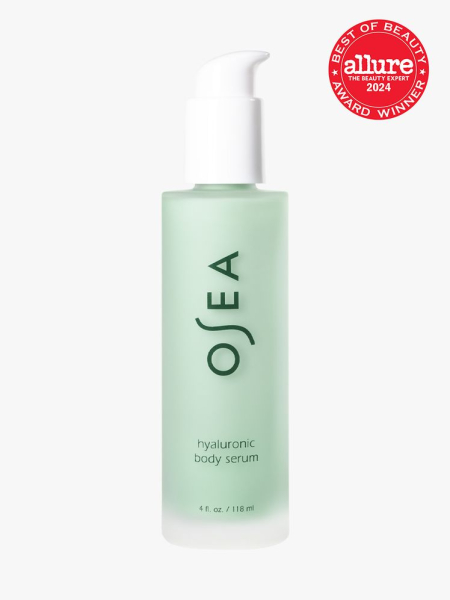
    body serum in branded clear bottle with white pump on light gray background with red and white 2024 allure best of beauty sealSave to wishlistSave to wishlist

    Osea

    Hyaluronic Body Serum

    $48

    Amazon

    $48

    Nordstrom

    $48

    Ulta Beauty

    Allure senior commerce director Shanna Shipin applying the OSEA Hyaluronic Body Serum

    Shanna Shipin

    Why it's worth it: While it’s not technically a lotion, this 2024 Best of Beauty Award winner deserves a mention for how incredibly lightweight it feels on the skin. The creamy gel texture of Osea’s Hyaluronic Acid Body Serum glides on easily, leaving a hydrating layer without ever being greasy or sticky (it is a serum after all). Its standout feature comes from five different molecular weights of hyaluronic acid to hydrate at different levels of the skin—smaller molecules help draw moisture deeper, while larger ones sit closer to the surface to smooth and lock in water. Blue-green algae extract provides antioxidant benefits and minerals that help support the skin barrier and soothe dryness, whileniacinamide helps improve overall skin texture. It can be applied to damp or dry skin post-shower, and, because it dries so quickly, it makes a great base for your thicker body lotions or oils. Just ensure it’s all absorbed before layering anything on top.

    Tester feedback from senior commerce director Shanna Shipin

    AccordionItemContainerButtonLargeChevron

    "Whenever possible, I moisturize my body like my face: With a hyaluronic acid serum—and this one from Osea is my all-time favorite. I'll admit that part of what I love is the packaging. The serene green, the fogged glass, and the pump top that actually works. (By the way, it lets just enough serum out of the bottle without getting clogged—a feat for a thin formula like this!). This serum is so hydrating that you could just as well leave it without a more occlusive buttery layer over it, especially when it's irritatingly hot or humid. Still, I do like to follow up with an actual lotion afterward. In the formula, there are peptides to plump up the skin and the brand's signature blue-green algae that are touted as a kind of nourishing superfood. And for fellow sensitive-skin people out there, the serum is fragrance-free! I was able to use it on my preggo and postpartum body without irritating my typically sensitive skin." —Shanna Shipin, senior commerce director

    More to know

    AccordionItemContainerButtonLargeChevron

    • Key ingredients: hyaluronic acid, niacinamide, blue-green algae
    • Fragrance-free: yes

    Best for Barrier Repair: Aestura Atobarrier 365 Ceramide Lotion

    Aestura Atobarrier 365 Lotion on a grey backgroundSave to wishlistSave to wishlist

    Aestura

    Atobarrier 365 Lotion

    $32

    Amazon

    $32

    Sephora

    Allure commerce producer Sarah Hoffmann applying the Aestura Atobarrier 365 Ceramide Lotion

    Sarah Hoffmann

    Why it's worth it: The 2024 Best of Beauty Award-winning Aestura Atobarrier 365 Ceramide Lotion is a K-beauty staple that's equally beloved stateside. Claire Chang, MD, a board-certified dermatologist based in New York City, loves that this lotion has the National Eczema Association Seal of Acceptance—meaning it has been evaluated for safety on eczema-prone skin and is free from common irritants, making it a reassuring pick for anyone dealing with itchy skin, even if eczema isn’t the cause. She notes that it's "hypoallergenic and formulated with a patented blend of barrier-strengthening ceramides—great for those with sensitive skin or eczema." A blend of ceramides, cholesterol, and fatty acids mimics your skin's natural lipids, boosting moisture retention, while niacinamide adds even more hydration.

    Tester feedback from commerce producer Sarah Hoffmann

    AccordionItemContainerButtonLargeChevron

    "If I ever magically became low maintenance, this lotion would be a key player in my pared-down routine. I love how it works on my face, and I've recently come around to using it on my body, and it's equally excellent for both. The texture borders on watery, so it absorbs quickly and doesn't feel greasy or heavy. My skin is generally sensitive to fragrance and richer formulas, so I love how gentle this lotion is while still being very hydrating and soothing." —Sarah Hoffmann, commerce producer

    More to know

    AccordionItemContainerButtonLargeChevron

    • Key ingredients: ceramides, squalane, niacinamide, cholesterol, fatty acids
    • Fragrance-free: yes

    Best Drugstore: Lubriderm Daily Moisture Lotion

    Lubriderm Daily Moisture Lotion white pump bottle of lotion on light gray backgroundSave to wishlistSave to wishlist

    Lubriderm

    Daily Moisture Lotion

    $15 $12 (20% off)

    Amazon (24 fl oz.)

    $10

    Walmart (16 fl oz.)

    Allure senior editor Jesa Marie Calaor applying the Lubriderm Daily Moisture Lotion

    Jesa Marie Calaor

    Why it's worth it: Skin-care aficionados know that sometimes, the most no-frills packaging boasts the absolute best formulas. Exhibit A: Lubriderm’s Daily Moisture Lotion. You'll spot this humble lotion on the shelves of any drugstore—and on the recommendation lists of countless dermatologists. Packed with barrier-strengthening pro-ceramides, deeply moisturizing shea butter, and hydrating glycerin, this lightweight cream sinks in quickly and delivers 24-hour moisture without clogging pores. Bonus: It's versatile enough to use from face to feet (and everywhere in between). The original formula is lightly scented, but those with sensitivities can opt for the fragrance-free version. And if you need extra itch relief? The brand's Advanced Therapy Lotion is another great pick.

    Tester feedback from senior beauty editor Jesa Marie Calaor

    AccordionItemContainerButtonLargeChevron

    "Maybe it's because I have a dry skin type. Perhaps it's because I take pretty hot showers. But my body needs to be moisturized daily, or I get lines and cracks on my hands, arms, and legs. The Lubriderm Daily Moisture Lotion is lightweight and quickly absorbs to feel silky (but not sticky or greasy). It also has a very clean scent, which I appreciate, since strongly scented body care products can overwhelm me." —Jesa Marie Calaor, senior beauty editor

    More to know

    AccordionItemContainerButtonLargeChevron

    • Key ingredients: ceramides, shea butter, glycerin
    • Fragrance-free: no

    Best for Sensitive Skin: Soft Services Carea Cream

    Soft Services Carea Cream in branded bottle component on a light gray backgroundSave to wishlistSave to wishlist

    Soft Services

    Carea Cream

    $40

    Soft Services

    Allure contributing commerce writer Christa Joanna Lee applying the Soft Services Carea Cream

    Christa Joanna Lee

    Why it’s worth it: Soft Services’ Carea Cream is a lightweight, healing option for people with dehydrated skin for whom thick creams might feel suffocating. The formula contains 10% urea (a compound naturally found in skin), which Michele Green, MD, a board-certified dermatologist based in New York City, calls “a powerful moisturizing ingredient that helps with protecting [the skin’s] moisture from the environment."

    Urea also mildly exfoliates, sloughing off dead skin buildup and smoothing bumps. The inclusion of 5% squalane further conditions and hydrates skin, and colloidal oatmeal calms and soothes moderate itching. Gentle enough for daily full-body use, this lotion not only alleviates dryness but also helps prevent recurrence by locking in long-lasting moisture.

    Tester feedback from contributing commerce writer Christa Joanna Lee

    AccordionItemContainerButtonLargeChevron

    “I’m the person who will always forget to put on body lotion because I’m rushing to get dressed—and then spend the rest of the day wondering why my arms feel like sandpaper (hi, KP). This body lotion is the first formula that’s actually made me want to slow down and use it: It has this almost milky, run-off-your-fingers texture, but once it absorbs, it’s unbelievably silky and leaves zero residue behind. I can’t stop talking about how amazing it feels. Soft Services, you have me convinced.” —Christa Joanna Lee, contributing commerce writer

    More to know

    AccordionItemContainerButtonLargeChevron

    • Key ingredients: urea, squalane, colloidal oatmeal
    • Fragrance-free: yes

    Best Fast-Absorbing: Nécessaire The Body Serum

    Nécessaire The Body Serum in branded component on a light gray backgroundSave to wishlistSave to wishlist

    Nécessaire

    The Body Serum

    $52

    Amazon

    $52

    Nordstrom

    $52

    Nécessaire

    Allure senior commerce editor Sarah Felbin applying the Nécessaire The Body Serum

    Sarah Felbin

    Why we love it: Hate rubbing in your cream or serum for minutes? Nécessaire’s The Body Serum melts in like a dream and never feels heavy. While it’s a body serum and not a cream, “this is great for those with highly sensitive, itchy skin,” says Dr. Chacon. She also notes that the formula—approved by the National Eczema Association—is fragrance-free, hypoallergenic, non-comedogenic, and made without silicones, phthalates, or parabens. It features glycerin, niacinamide, and five molecular weights of hyaluronic acid, which hydrate both the surface and deeper layers of the skin for longer-lasting moisture. Dr. Chacon also loves that it’s “not sticky, not greasy, and still leaves skin hydrated, plump, and restored.”

    Tester feedback from senior commerce editor Sarah Felbin

    AccordionItemContainerButtonLargeChevron

    “Lotion haters, this one's for you. I'm not a fan of super-heavy creams and body butters because I don't love the greasy feeling that often comes with them, but my constantly dry, itchy skin needs a layer of something after I shower. This serum is ultra-lightweight and only takes a few seconds to rub in, but it is still impressively hydrating. My skin immediately feels softer and looks radiant after I apply it. It's been a godsend for my legs especially, which always feel extra-prickly after I shave." —Sarah Felbin, senior commerce editor

    More to know

    AccordionItemContainerButtonLargeChevron

    • Key ingredients: glycerin, hyaluronic acid, ceramides, niacinamide
    • Fragrance-free: yes

    Best for Super Dry Skin: Isdin Uradin Lotion 10 Hydrating Body Lotion for Dry Skin

    Isdin Uradin Lotion10 Hydrating Body Moisturizer in branded component on a light gray backgroundSave to wishlistSave to wishlist

    Isdin

    Uradin Lotion10 Hydrating Body Moisturizer

    $42

    Amazon

    $42

    Dermstore

    Lee applying the Isdin Uradin Lotion 10 Hydrating Body Lotion for Dry Skin

    Christa Joanna Lee

    Why it’s worth it: With 10% urea and 3% dexpanthenol, Isdin’s Uradin Lotion 10 is one to get excited about if you have super dry skin. “Urea is an excellent ingredient because it both hydrates and gently softens rough, dehydrated skin,” says Alexandra Bowles, DO, a board-certified dermatologist based in Cincinnati, OH. She says it improves moisture retention while subtly improving texture, which can make skin appear smoother. Dexpanthenol, a derivative of vitamin B5 that promotes skin healing, helps relieve itchiness often associated with dryness. We love this lotion for topping off a hydrating serum for double the moisture. And while we often joke about wanting to bathe in a lotion we love, the generously sized pump makes it feel like you practically can.

    Tester feedback from Lee

    AccordionItemContainerButtonLargeChevron

    “I’ve dealt with keratosis pilaris for years, and the backs of my arms can get so desert-dry, which only makes those little bumps more noticeable. My calves aren’t much better—I’ll scratch in my sleep and wake up with marks from how itchy they get. I’d somehow never tried a lotion with urea before, so Isdin’s Uradin Lotion 10 felt like a bit of a revelation. It softens and smooths all my rough patches (even the elbows!) while pulling moisture into the skin, and it sinks in quickly without feeling sticky. Even five or six hours after applying it, my skin still feels soft and comfortably moisturized.”—Christa Joanna Lee, contributing commerce writer

    More to know

    AccordionItemContainerButtonLargeChevron

    • Key ingredients: 10% urea, 3% dexpanthenol
    • Fragrance-free: yes

    Best Rich: Fount Society Body Butter

    Fount Society Body Butter in branded component on a light gray backgroundSave to wishlistSave to wishlist

    Fount Society

    Body Butter

    $48

    Amazon

    Felbin applying the Fount Society Body Butter

    Sarah Felbin

    Why it’s worth it: Fount Society’s Body Butter contains a combination of highly moisturizing shea butter and squalane, along with soothing allantoin, vitamin E, panthenol, and chamomile, all of which signal that this formula is especially geared towards those with sensitive skin. It also includes an ingredient you don’t typically see in beauty formulas: sea fennel, a coastal plant packed with antioxidants that help brighten, firm, and nourish the skin. While the formula is thicker than a typical lotion, it absorbs instantly and doesn’t leave any residue behind—instead, skin looks glowy and feels softer. Slather it on before bed on damp or dry skin, and wake up to silky skin that lasts all through the entire next day.

    Tester feedback from Felbin

    AccordionItemContainerButtonLargeChevron

    “I use this product at night, after every shower. I have super-sensitive skin and I don't like applying body lotion (that dreaded sticky feeling!), so the bar is pretty high. This one is so thick, calming, and soothing that I actually look forward to putting it on after I step out of the shower. It takes a minute to rub in, but it feels incredibly nourishing and doesn't leave any residue behind, so I don't mind. The whole next day, I'm surprised by how soft and smooth my skin feels. It's also a great value—it's so rich and moisturizing that one tub has lasted me months. Plus, it's fragrance-free!”—Sarah Felbin, senior commerce editor

    More to know

    AccordionItemContainerButtonLargeChevron

    • Key ingredients: shea butter, sea fennel, squalane
    • Fragrance-free: yes

    Best for Dry Patches: Aquaphor Healing Ointment

    Aquaphor Healing Advanced Therapy Ointment in branded tube component on a light gray backgroundSave to wishlistSave to wishlist

    Aquaphor

    Healing Ointment

    $14 $13 (7% off)

    Amazon

    $17

    Ulta Beauty

    Why we love it: Whether you know Aquaphor’s Healing Ointment in the tube or the classic tub, chances are it needs no introduction. “This petroleum-based ointment creates an occlusive barrier that prevents transepidermal water loss and supercharges repair,” says Sarah Sung, MD, a board-certified dermatologist based in Seattle. This means this ointment is completely water-free and seals in moisture so your skin can heal without suffocating, while still letting oxygen pass through. That balance, along with soothing and hydrating panthenol and glycerin, is what makes it so good at repairing a compromised barrier.

    “Especially when used overnight, patients most often tell me they wake up with noticeably softer, less inflamed patches,” says Dr. Sung. It is super thick, so the ointment is not meant to be used everywhere—Dara Spearman, MD, a board-certified dermatologist based in Fort Wayne, IN, likes using it for hands, elbows, and areas prone to fissures. Dr. Sung adds that it’s also great for chapped lips or eczema flare-ups around the eyes.

    More to know

    AccordionItemContainerButtonLargeChevron

    • Key ingredients: panthenol, glycerin, petrolatum
    • Fragrance-free: yes

    Best for Eczema: La Roche-Posay Lipikar Soothing Relief Eczema Cream

    La Roche-Posay Lipikar Soothing Relief Eczema Cream in branded tube component on a light gray backgroundSave to wishlistSave to wishlist

    La Roche-Posay

    Lipikar Soothing Relief Eczema Cream

    $17

    Amazon

    $17

    Dermstore

    $19

    Ulta Beauty

    Why we love it: Another affordable, National Eczema Association-approved formula on our list, La Roche-Posay’s Lipikar Soothing Relief Eczema Cream is built for anyone dealing with persistent redness, itchiness, or flare-ups. The star is 1% colloidal oatmeal, a proven skin protectant that helps calm irritation on contact, but it’s the supporting ingredients that make it especially effective: “Shea butter, niacinamide, and colloidal oatmeal combine to soothe visible redness and heat on contact,” says Dr. Sung. While glycerin and thermal spring water promote lasting moisture, she also notes, “Many of my patients report a more even skin tone after just a couple of weeks of use.” The fast-absorbing texture makes it easy to use daily—whether you’re treating redness on your face or body.

    More to know

    AccordionItemContainerButtonLargeChevron

    • Key ingredients: 1% colloidal oatmeal, shea butter, glycerin, niacinamide, thermal spring water
    • Fragrance-free: yes

    Best for Face and Body: CeraVe Moisturizing Cream

    CeraVe Moisturizing Cream in white and blue branded tub component on a light gray backgroundSave to wishlistSave to wishlist

    CeraVe

    Moisturizing Cream

    $20 $19 (5% off)

    Amazon

    $18

    Dermstore

    $20

    Ulta Beauty

    Why we love it: When we asked dermatologists for their go-to for dry, itchy skin, drugstore hero CeraVe’s Moisturizing Cream came up again and again. Kate Edwards, MD, a board-certified dermatologist in San Antonio, considers it a go-to for patients suffering from dry, itchy skin, while Michele Green, MD, a board-certified dermatologist based in New York City, calls out its contents of hyaluronic acid, ceramides, and other humectants as ideal for locking in moisture and boosting hydration. While it’s thick, Brendan Camp, MD, a board-certified dermatologist based in New York City, says its rich texture never feels greasy, making it ideal for moderate to severe dryness. This cream is fragrance-free and completely non-irritating, making it a great choice for those with any level of skin sensitivity who need intense hydration and itch relief. Sexy? Maybe not. But it’s a reliable, powerful workhorse that’s a classic for good reason, and its undeniable efficacy makes it a great first port of call for treating dry and itchy skin.

    ​​Tester feedback from contributor Kaleigh Fasanella

    AccordionItemContainerButtonLargeChevron

    "It feels almost like a weighted blanket—but for the skin—cocooning my chronically dry limbs and soothing them on days when it's especially sensitive and inflamed. If I had to propose one con, it would be that I go through the stuff like water." —Kaleigh Fasanella, contributor

    More to know

    AccordionItemContainerButtonLargeChevron

    • Key ingredients: ceramides, hyaluronic acid, petrolatum
    • Fragrance-free: yes

    Best for Immediate Relief: Aveeno Eczema Therapy Daily Moisturizing Cream

    Aveeno Eczema Therapy Daily Moisturizing Cream in branded component on a light gray backgroundSave to wishlistSave to wishlist

    Aveeno

    Eczema Therapy Daily Moisturizing Cream

    $20

    Amazon

    $20

    Walmart

    Why it’s worth it: According to Dr. Camp, oatmeal is one of the most effective soothing ingredients for calming inflammation and itch—and that’s exactly what’s in Aveeno’s Eczema Therapy Daily Moisturizing Cream. “It strengthens the skin barrier while providing immediate comfort to irritated skin,” says Dr. Camp. It also contains ceramides, glycerin, and panthenol, which draw moisture into the skin and keep it cool, calm, and collected. Because this cream is clinically tested for eczema-prone and sensitive skin, it’s a great option for anyone experiencing persistent dryness with bouts of irritation.

    More to know

    AccordionItemContainerButtonLargeChevron

    • Key ingredients: oatmeal, ceramides, glycerin, panthenol
    • Fragrance-free: yes

    Frequently Asked Questions

    What do dermatologists recommend for extremely dry, itchy skin?

    According to Dr. Green, the best thing to do for dry, itchy skin is to apply moisturizer liberally and multiple times a day. According to dermatologists, thick creams with high oil concentrations are especially effective for locking in moisture and hydrating the skin (Dr. Edwards even suggests skin-sealing petroleum jelly like Vaseline). Dr. Green recommends looking for moisturizers with ingredients such as hyaluronic acid, which pulls in water from the environment; glycerin, which acts as a humectant to retain moisture; colloidal oats, which reduce inflammation; and ceramides, which restore the skin barrier. However, she cautions against products containing irritants like alcohol and fragrances, as they can exacerbate dryness. Dr. Edwards also advises looking for the blue seal that says, "Accepted by the National Eczema Foundation" when picking out a moisturizing product.

    In addition to using hydrating lotions. Dr. Green recommends washing dry, itchy skin with a product like a soothing colloidal oatmeal bath treatment before using a gentle, hydrating cleanser, thoroughly rinsing the area, then applying moisturizer. Dr. Edwards endorses the "soak and grease" method, which consists of bathing daily for five to ten minutes in lukewarm (not hot!) water, then applying a thick moisturizer immediately after exiting the bath or shower and patting dry. Dry, itchy skin can sometimes be associated with overactive histamines, and suggests taking a daily antihistamine until the condition has resolved.

    How should I choose a lotion for dry, itchy skin?

    Dr. Edwards emphasizes looking for products that feature ceramides to help lock in moisture naturally lost throughout the day. Dr. Green also advocates for products with urea, which soothes skin in addition to providing hydration. However, for severe itching or eczema-prone skin, both doctors advise that topical prescription steroids may be needed to calm down inflammation resulting from a compromised skin barrier.

    What cream stops itching fast?

    According to Dr. Edwards, topical steroid creams such as hydrocortisone are one of the quickest and most effective ways to relieve itching. Dr. Green recommends using over-the-counter hydrocortisone twice a day on the affected area to help soothe itchiness.

    On the flip side, Dr. Edwards strongly discourages the use of any Benadryl creams or gels, which are ineffective at stopping itch and can often lead to the development of an allergy to the product that will worsen a rash. Both doctors recommend speaking to your dermatologist if over-the-counter treatments are not providing enough relief, and using any prescribed topical steroid exactly as directed while avoiding overuse.

    Meet the experts

    • Alexandra Bowles, DO, a board-certified dermatologist based in Cincinnati, OH
    • Anna Chacon, MD, a board-certified dermatologist based in Miami
    • Brendan Camp, MD, a board-certified dermatologist based in New York City
    • Claire Chang, MD, a board-certified dermatologist based in New York City
    • Dara Spearman, MD, a board-certified dermatologist based in Fort Wayne, IN
    • Kate Edwards, MD, a board-certified dermatologist in San Antonio, Texas
    • Michele Green, MD, a board-certified dermatologist in New York City

    How we test and review products

    When Allure tests a product, our editors look at it from every angle in an effort to best serve you. We review ingredients, scrutinize brand claims, and, when necessary, examine peer-reviewed scientific and medical studies. In addition to testing each and every product that's included in each and every review, we rely on experts who shape their fields, including dermatology, cosmetic chemistry, and medicine, to help us vet the ingredients and formulas.

    For our list of the best body lotions for dry, itchy skin, we considered each product's performance across five primary categories: product ingredients and efficacy, packaging, fragrance, texture, and product wear. Every product was determined to have excelled in each category by our editorial team, which is composed of in-house writers and editors as well as contributors—along with special consideration from board-certified dermatologists. To learn more information on our reporting and testing processes, read our complete reviews process and methodology page.

    Our staff and testers

    A beauty product is a personal purchase. You might be searching for a face cream to address persistent dryness or a new nail product to add to your Sunday self-care routine; you may simply be browsing around for the latest launches to hit the hair market. No matter what you seek or your individual needs and concerns, Allure wants to ensure that you love anything we recommend in our stories. We believe that having a diverse team of writers and editors—in addition to the wide range of outside testers and industry experts we regularly call upon—is essential to reaching that goal.

    After all, can we really say a skin-care product is the "best" for people over 50 if the only testers we've solicited opinions from folks who have yet to hit 30? Can we honestly deem a high-end diffuser worthy of your hard-earned cash if it's never been tested on curls? We're proud that our staff spans a wide range of ages, skin tones, hair textures, genders, and backgrounds, which means that we are able to fairly assess any beauty product that comes into the beauty closet.

  • Why Are Vegan Beauty Brands Struggling to Survive?

    Why Are Vegan Beauty Brands Struggling to Survive?

    A beauty product that appears to be melting into a grassy field with dandoliens.Photos: Joe LingemanSave StorySave this storySave StorySave this story

    It seems like nobody wants to be vegan anymore. In 2024, Americans ate 7 percent more meat than they did before 2020; sales of vegan meat substitutes are declining; vegan restaurants in New York City, once a kale-based mecca, are closing left and right; celebrities like Miley Cyrus, Anne Hathaway, and Lizzo have vocally abandoned their veganism within the past five years. Slowly but surely, the once popular plant-based lifestyle is in flux—and that includes beauty products.

    Until somewhat recently, it was considered cool to curb your consumption of animals, whether you were eating them or putting them on your face. It showed how healthy and eco-conscious you were (generally speaking, animal byproducts contribute significantly to greenhouse gas emissions). In the 2010s, vegan cuisine became a hit, and plant-based beauty boomed alongside it; between 2013 and 2018, vegan cosmetic launches increased 175 percent globally. The Economist went so far as to dub 2019 “the year of the vegan.”

    While some research suggests that the vegan beauty market is still growing, it doesn’t exactly feel that way right now. Avoiding animal-derived ingredients, should you want to, has always taken a little bit of work, but it became much easier during veganism’s peak in the 2010s. These days, you’ll need to roll up your sleeves again. In the 2026 aisles of beauty retailers, products with animal-derived ingredients are everywhere: Many lip balms and hand creams contain lanolin, an emollient derived from sheep’s wool. Beeswax is commonly used in lip products and mascara, which also typically contains fish-scale-based guanine. Gelatin, keratin, and carmine (a dye made from crushed-up bugs that gives many red eye shadows their vibrancy) are all likely to appear on a given hair, skin, or makeup product’s ingredient label.

    Sure, there are plenty of fully vegan brands out there—Hourglass, Haus Labs, Byoma, and E.L.F., to name a few—but some of them have been struggling lately. Bite Beauty shuttered in 2022, just one year after removing all animal-derived ingredients from its products. Milk Makeup, which has been 100 percent vegan since 2018, is currently experiencing “tanking” sales, according to a recent Puck report. (Allure reached out to Milk for comment and did not hear back.) We can’t say that either of these cases is specifically caused by consumer disinterest in all-vegan formulas, but the correlation is there.

    “I just don't know if vegan is a top priority anymore for consumers."

    So what changed? Why don’t people seem to care anymore if there are bugs in their eye shadow or crushed cow hooves in their shampoo?

    For one, beauty buyers these days seem to care less about environmental impact and more about product performance. Take Glossier: In early 2023, the brand reformulated its cult-favorite salve, Balm Dotcom, to be vegan by replacing beeswax and lanolin with synthetic ingredients and castor jelly. Within a year, its fans had lodged so many complaints that the brand put the original, non-vegan formula back on the shelves in spring 2024. When we asked Glossier for more information on why it reverted, it declined to comment but pointed to a 2024 promotional video of its employees reading mean comments about the reformulation.

    Something similar happened with The Body Shop. In 2021, the company pledged that it would have an entirely vegan product lineup by the end of 2023, something the brand described as a sustainability effort at the time. Although the brand achieved its goal, it has since re-introduced non-vegan products, like the Spa of the World Kukui Body Cream, which contains beeswax. The Body Shop never officially announced its retreat, but it did tell The Vegan Society in August 2025 that it brought back a selection of non-vegan products as a response to consumer complaints: “The feedback included the removal of non-vegan ingredients, such as beeswax and honey, impacted our customers’ enjoyment of some of our products.” Allure reached out to The Body Shop for comment and did not receive a reply.

    “There appear to be two main culprits for this: conservatism and the economy.”

    Cosmetic chemist Amanda Lam describes this trend as a swing of a pendulum. “I just don't know if vegan is a top priority anymore for consumers,” she tells Allure. And they can tell the difference when their favorite products are reformulated to be vegan because they do, in fact, perform differently. “It's hard to replicate nature, regardless if it's coming from an animal or if it's coming from a plant,” she says. “You may be able to achieve the same texture and appearance of lanolin, for example, but you may not have the same spreadability, you may not have the same melting point.”

    On the flip side, animal-derived ingredients have become buzzy in and of themselves; they’re seeing notable year-over-year growth, according to Spate’s 2026 Trend Report. You’ve likely heard celebrities, influencers, editors, and everyday consumers alike touting the magic of PDRN, an ingredient derived from salmon DNA (the “salmon sperm facial,” if you will). Similarly, beef tallow, lobster shell protein, honey, collagen (which usually comes from the bones of pigs, cows, or fish), and colostrum (the milk a cow produces right after giving birth) are all having a moment, despite the fact that some of them have… well, let’s call it questionable efficacy.

    There appear to be two main culprits for this: conservatism and the economy. During the pandemic, right-wing political figures, namely Robert F. Kennedy Jr., sowed mass distrust in science, medical institutions, and doctors (many of whom will tell you that plant-based diets are better for your health). And, of course, after Donald Trump started his second term last year, Kennedy became our Department of Health and Human Services secretary and has since re-imagined the government-issued food pyramid to prioritize meat-eating (he abides by a “carnivore diet” himself). All the while, Kennedy’s “Make America Healthy Again” campaign has trickled down to everyday Americans alongside the content of mommy bloggers and influencers who now rave about things like the (unproven) powers of raw milk and the “dangers” of the chemicals in sunscreen.

    "Virtue is a tricky thing to commodify."

    By Kennedy’s increasingly popular mindset, abiding by a plant-based lifestyle became “woke.” Other “woke” things, according to Kennedy (who is not and has never been a doctor), include preventative health measures like cancer screenings. This has all helped pave the way for a renewed obsession with animal products in general, like whey protein (you guessed it: not vegan), which food companies have recently worked into every product imaginable, including but not limited to ice cream, waffles, mac n’ cheese, and even seltzer.

    Besides an apparent rise in “anti-wokeness,” we can’t forget about the ever-rising cost of living. The prices of groceries and utilities have all steadily grown in the past four years, but wages have not kept pace. And while veganism isn’t inherently more expensive than other lifestyles, it can cost you more time and effort depending on where you live and what access you have to plant-based products and establishments. It makes sense that people would choose the path of least resistance when their resources are that much more precious.

    While it seems like consumers are turning away from vegan products, they apparently still want to spend their money on brands that mirror their morals. Of 15,000 people surveyed globally by Edelman, eighty-four percent of people said they need to share values with a brand to use it. Those same consumers tend to look for brands that are cruelty-free (meaning they don’t test on animals), socially involved, and culturally relevant. Veganism seems to be losing its capital as a value for many Americans.

    Someday, the pendulum Lam described could swing back, and vegan beauty will boom again. But virtue is a tricky thing to commodify. And some might very reasonably prefer natural products like crushed up bugs, wool oils, and beeswax to their synthetic chemical or petroleum-based vegan alternatives. Maybe it all comes down to animal instinct.

  • Ballet, Boring? Misty Copeland’s 3 Oscar Hairstyles Prove Otherwise

    Ballet, Boring? Misty Copeland’s 3 Oscar Hairstyles Prove Otherwise

    Misty Copeland arrives at the Oscars red carpet in a lowcut black suit jacket and ballet bun.Getty ImagesSave StorySave this storySave StorySave this story

    File Misty Copeland's Oscar hairstyles under "things we really care about." The trailblazing ballerina attended the 98th Academy Awards to perform in a special live rendition of “I Lied to You,” the Best Original Song nominee from Sinners. In her first return to the stage after retiring from American Ballet Theatre (and just months after hip replacement surgery!), she danced alongside songwriters Miles Caton and Raphael Saadiq, as well as guest artists such as Shaboozey and Alice Smith, and numerous other dancers.

    To mark the Oscars occasion, Copeland wore not one, not two, but three impressive, ballet-inspired hairstyles: An effortless bun, followed by an intricate feather-adorned chignon for her performance, and finally an extra-long ponytail for the Vanity Fair afterparty.

    A profile photo of ballerina Misty Copeland before hte Oscars with her ballet bun and black jacket.

    Copeland’s red carpet ballet bun.

    Miles JeffriesBallerina Misty Copeland looking into a mirror with her hair in a ballet bun.

    Her chignon from the back.

    Miles Jeffries

    For the red carpet, hairstylist Miles Jeffries created a slicked-back ballet bun placed right at the center of the back of Copeland’s head. “The mood was a sleek slick bun that appears to be effortlessly wrapped with no pins,” he wrote in an Instagram post. Jeffries relied heavily on two brands: Olaplex, for styling, and Bellami extensions, which made it easier to give the chignon a gift-wrap-like effect

    When it came to prep, Jeffries started with Olaplex Volumizing Blow Dry Mist (a 2024 Best of Beauty winner), to protect and add extra hold, followed by Olaplex No.5 Leave-In Moisturize & Bend Leave-In Conditioner to add a further layer of protecting during the heavily styling. After blow drying and before flat-ironing, he smoothed Olaplex No.7 Bonding Oil throughout her hair, adding more as he installed the XXL Bellami tape-in hair extensions. Jeffries then masterfully wrapped Copeland’s hair into what was meant to appear like an infinite knot.

    Misty Copeland poses backstage during the 98th Oscars at Dolby Theatre in her Firebird ballet costume.

    Copeland backstage at the Oscars.

    Getty ImagesBallerina Misty Copeland poses away from the camera showing off her intricately braided updo for her 2026 Oscars performance

    The back of her performance updo.

    Miles Jeffries

    For her performance alongside Caton and Shaboozey, Copeland’s bun got higher and more intricate, with wrap-around braids and a red feather accessory to match her costume, which was from the Dance Theater of Harlem’s rendition of the ballet, Firebird. “I made sure that look one for the red carpet would transition easily to look two for her performance,” Jeffries says, who took down the ballet bun before using the same ponytail foundation to create a tall base, which he then wrapped braids around.

    The inspiration for her performance hairstyle came from the tall headdress the lead ballerina typically wears during the Firebird, something that Jeffries, who grew up dancing, was very familiar with. “I had to freehand this one. I wanted to let Misty’s features and energy inform the shape,” he wrote on Instagram. “It’s a culmination of all the references and what felt right in the moment. And of course we had to add the red feather somewhere.”

    The grand finale was Copeland letting her hair down at the end of the night for the Vanity Fair After Party. Giving her XXL extensions the spotlight, Copeland wore a sleek high ponytail with a black backless sequin-embellished dress.

    Misty Copeland at the 2026 Vanity Fair Oscar Party in a backless dress and long ponytail.

    Copeland’s long ponytail for the Vanity Fair Oscar Party.

    Getty Images